
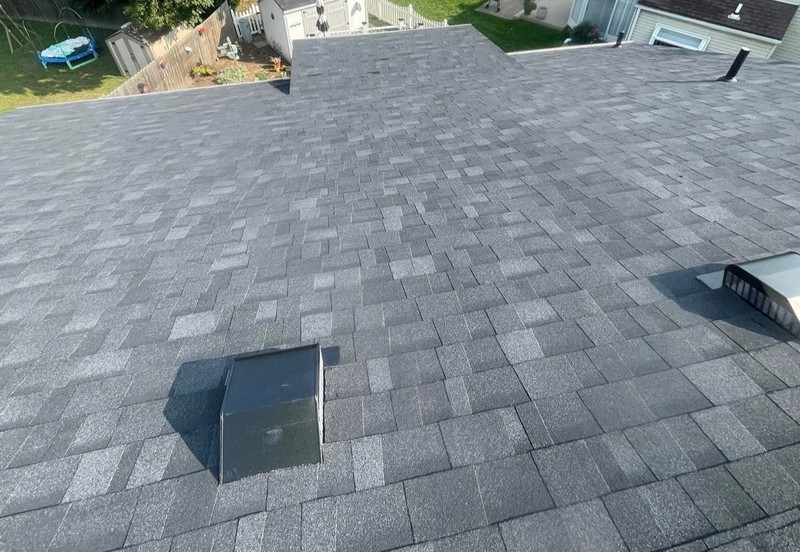
Finding shingle granules in gutters does not automatically mean you need a new roof. A small amount can be normal, especially after a new asphalt shingle roof is installed. Granules that increase suddenly, collect in heavy amounts, or appear with bald spots, cracked shingles, missing shingles, or leaks deserve a professional inspection.
The pattern matters more than a single handful. New-roof shedding is different from gradual age-related wear, and both are different from concentrated damage after a Toledo wind or hail event. The roof’s age, condition, storm history, and visible surface changes all help determine whether the next step is monitoring, repair, or replacement.
This guide explains what those gritty particles do, why they come loose, what you can check safely from the ground, and when to schedule a Toledo roof inspection.
Some granules in a gutter or at a downspout can be normal. New shingles often release loose granules left from manufacturing, packaging, handling, and installation. Older shingles also lose granules gradually as they weather.
Schedule an inspection when the amount is heavy, increasing, or sudden, especially after a storm or when you also see dark or bald areas, curled or cracked shingles, missing shingles, exposed fiberglass mat, or an interior leak. Granules alone cannot confirm hail damage or prove that a roof needs replacement.
Asphalt shingles are built in layers. The visible surface is covered with small mineral granules that are embedded in the asphalt coating. According to the Asphalt Roofing Manufacturers Association, those ceramic-coated granules provide color and help protect the asphalt from prolonged ultraviolet exposure.
That protection is important because sunlight and heat gradually age asphalt. When granule loss becomes widespread enough to expose the darker asphalt beneath, the shingle surface can absorb more heat and weather more quickly. A few loose granules are not the same as exposed or deteriorated shingles, which is why a roof should be evaluated by condition and pattern rather than by gutter debris alone.
Granules also give shingles their finished color and texture. Different shades across a roof may come from the product’s normal color blend, lighting, moisture, or age. New dark spots or uneven patches that remain visible in consistent light are more concerning because they may indicate that the protective surface has thinned.
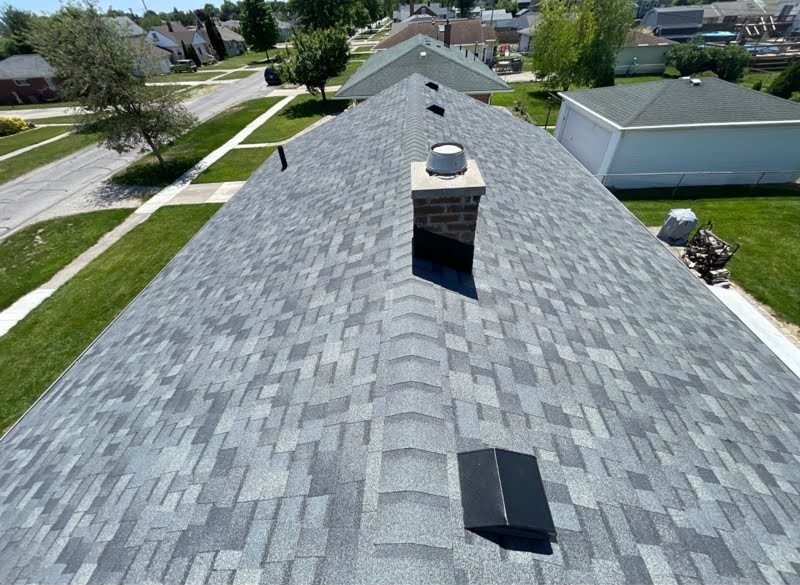
It is common to find loose granules after a new asphalt shingle roof is installed. Manufacturers apply more granules than the asphalt can permanently hold so the surface is fully covered. Some of the excess granules, sometimes called hitchhiker or rider granules, remain loose until rain and normal drainage carry them toward the gutters.
A GAF technical advisory on granule loss from new shingles explains that most of those loose granules should shed after installation and that the amount should decrease over time. This type of early shedding is generally not a manufacturing defect.
New-roof granules may be most noticeable after the first several rains or the first gutter cleaning. The amount can vary with the roof’s size, pitch, drainage paths, and how long the shingles were handled before installation. A large roof can send more loose material to a few downspout locations than a small roof even when both are performing normally.
Contact the installer if the shedding remains significant after several months, the roof develops distinct color changes, or the shingles show surface damage. Keep the installation contract, product information, and warranty documents available so the contractor can identify the system and review any applicable terms.
All asphalt shingles weather over time. Sun, heat, temperature changes, rain, snow, ice, foot traffic, tree contact, debris, and repeated wind exposure can gradually loosen the bond between the granules and asphalt. Normal aging tends to be progressive rather than appearing everywhere at once.
As shingles age, their asphalt coating becomes less flexible. Granule loss can become more noticeable, especially on slopes that receive stronger sun exposure. If the roof is approaching the middle or upper part of its expected service-life range, compare the gutter debris with the visible condition of the shingles. Top Roofing’s guide to how long asphalt shingle roofs last in Ohio explains why age is useful for planning but cannot diagnose a roof by itself.
Excess attic heat and moisture can contribute to roof-system stress. Ventilation alone does not determine shingle life, but blocked intake, inadequate exhaust, missing baffles, poorly routed bathroom fans, and air leaks can create conditions that deserve attention. Uneven aging may also occur when one slope receives more sun or has a different ventilation pattern than another.
Walking on shingles, dragging equipment, or scrubbing the surface can dislodge granules. The risk is greater on hot, cold, brittle, steep, or already aged shingles. The Asphalt Roofing Manufacturers Association warns that pressure washing an asphalt shingle roof can damage the shingles and cause granule loss. Do not pressure wash, stiff-brush, coat, or attempt to glue loose granules back onto the roof.
Overhanging branches can scrape shingles, while leaves and needles can hold moisture in valleys or interfere with drainage. Clogged gutters do not usually cause granules to detach, but they make accumulated granules easier to notice and can create separate water problems at the eaves. If water is spilling over the edge, use the guide to gutters overflowing in Toledo to distinguish a clog, drainage issue, and roof-related warning sign.
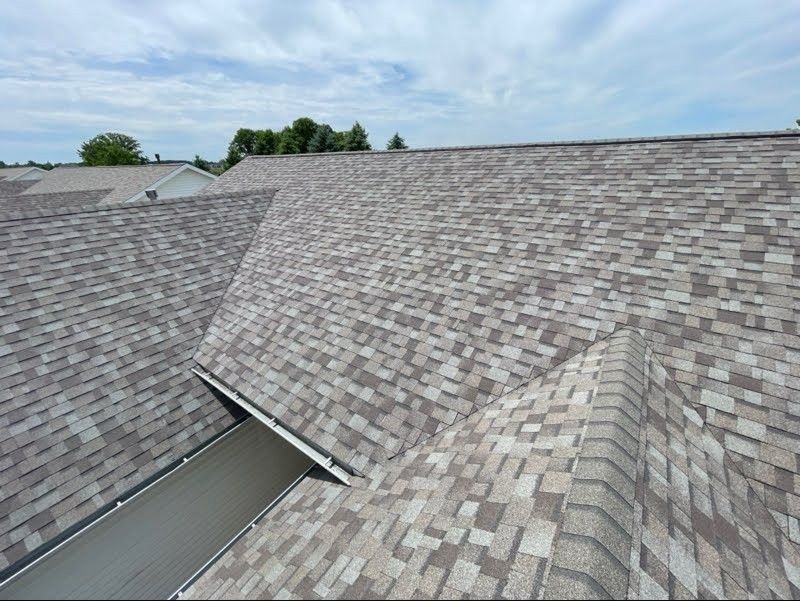
A sudden increase in roof granules after severe weather deserves closer attention. Wind can lift or crease shingles, break seals, move debris across the surface, and loosen granules. The GAF guidance on extraordinary wind events notes that high winds and windblown debris can damage shingle surfaces.
Hail can also displace granules, but granule loss by itself is not proof of functional hail damage. A qualified inspection looks for a consistent impact pattern and considers the shingle condition, soft-metal marks, vents, flashing, siding, gutters, and other exposed components. Blisters, manufacturing features, old wear, and foot traffic can sometimes resemble storm marks from the ground.
After a Toledo-area storm, photograph what you can safely see from the ground and note the date. Do not climb onto a wet, steep, damaged, or icy roof. Top Roofing’s guide to hail and wind roof damage in Toledo explains what to document and what a professional storm inspection should evaluate.
A roofing contractor can document visible conditions and provide a repair or replacement estimate. If you file an insurance claim, the insurance company determines coverage and payment under the policy.
There is no universal scoop, cup, or weight of granules that proves a roof has failed. Gutters vary in size, cleaning frequency, drainage area, and the amount of material they collect. Use the combination of timing, trend, roof age, and visible symptoms to decide when to call.
| What you notice | What it may mean | Best next step |
|---|---|---|
| A light amount after a new installation | Loose manufacturing and installation granules may be washing away. | Monitor whether the amount decreases over the next several rains. |
| Gradual shedding from an older roof | Normal weathering may be advancing. | Review the roof’s age and arrange an inspection if other aging signs are present. |
| A sudden increase after a storm | Wind, hail, or debris may have affected the shingle surface. | Document the date and schedule a storm-damage inspection. |
| Bald or dark patches on multiple slopes | Protective granule coverage may be substantially reduced. | Have the full roof evaluated for repairability and remaining service life. |
| Granules plus leaks, cracks, or missing shingles | The issue may extend beyond normal surface wear. | Arrange a prompt inspection and protect the interior from active water entry. |
Other warning signs include exposed fiberglass mat, loose or creased tabs, widespread curling, open seams, damaged flashing, repeated leaks, soft decking, sagging, and moisture in the attic. One isolated symptom may be repairable. Several symptoms across different slopes can point to a broader roof-system problem.
Not by itself. The right recommendation depends on how much of the roof is affected, what caused the loss, the age and flexibility of the shingles, whether matching materials are available, the condition of the deck and flashing, and whether other leaks or repairs are present.
A repair may make sense when the problem is confined to a small area, surrounding shingles remain sound, the cause can be corrected, and compatible replacement material is available. Examples can include a few wind-damaged shingles, a limited flashing problem, or localized damage near one penetration.
Top Roofing’s roof repair service focuses on finding the source of the problem and defining a practical scope rather than treating every surface change as a full-roof failure.
Replacement becomes more practical when granule loss is widespread, the shingles are brittle or cracked, dark asphalt or mat is exposed across multiple slopes, leaks are recurring, storm damage is extensive, or repeated repairs would leave an aging system in place. A tear-off also allows the crew to inspect the deck and rebuild the roof as a coordinated system.
Use the roof repair versus replacement guide to compare age, damage pattern, repair history, and long-term cost. If replacement is recommended, the residential roof replacement service page explains Top Roofing’s inspection, material selection, installation, cleanup, and final-review process.
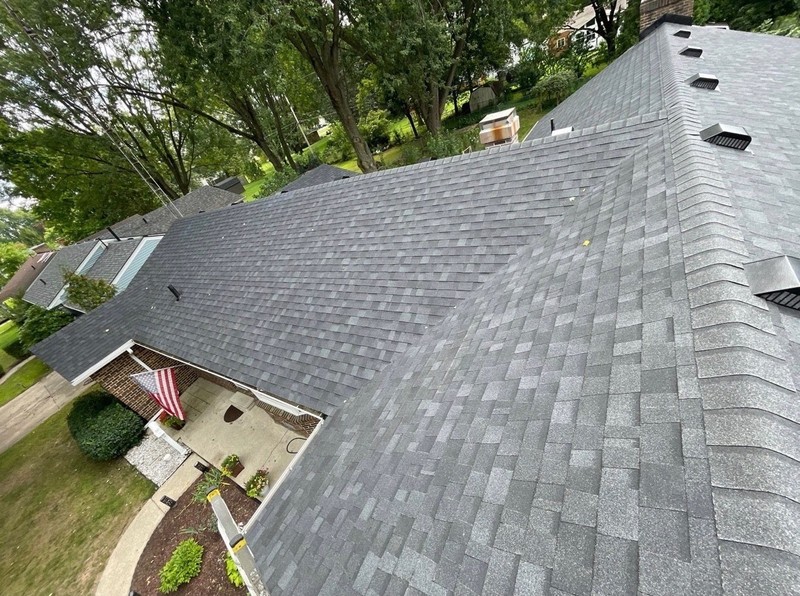
You can gather useful information without stepping onto the roof. Start at ground level and move indoors if you can safely access the attic.
Avoid walking on the roof, especially if it is steep, wet, icy, hot, visibly damaged, or older and brittle. Do not lift shingles to look underneath them. That can break the seal, create damage, and complicate a later evaluation.
Dark gritty particles are often mineral granules from asphalt shingles, although gutters can also contain dirt, sand, organic debris, and material from nearby surfaces. Compare the particles with the roof’s color and look for visible dark or bald patches. If the amount is heavy or increasing, schedule an inspection rather than relying on color alone.
There is no reliable universal measurement because roof size, pitch, gutter layout, storm exposure, and cleaning frequency vary. A sudden change, repeated heavy accumulation, or granules combined with visible shingle deterioration is more meaningful than one isolated amount.
Yes, some loose granules are expected after installation and should generally decrease with time and rainfall. Contact the installer if significant shedding continues for several months, the roof develops persistent color changes, or the shingles show damage.
Clogged gutters do not usually pull granules off shingles, but they collect the material and make it more noticeable. They can also cause separate drainage problems, including water spilling over the gutter, backing up at the eaves, or saturating areas near the foundation.
No. Granules can loosen because of normal new-roof shedding, age, ultraviolet exposure, wind, debris, foot traffic, cleaning, tree contact, or hail. A storm inspection considers the full pattern and supporting evidence. The insurer, not the roofing contractor, decides whether a policy covers the condition.
Do not treat a coating, sealant, paint, or loose granules as a substitute for diagnosing the roof. These products can affect appearance, fire classification, moisture behavior, drainage, and warranty terms. Have the roof evaluated and follow the shingle manufacturer’s written instructions.
Yes, gutters and downspouts need to remain open so water can drain. Before removing an unusual amount, take clear photos and note when and where you found it. Use safe ground-based methods or hire a professional rather than working from an unsecured ladder or walking the roof.
If you are finding roof granules in gutters around your Toledo-area home, you do not need to guess whether they represent normal shedding, an isolated repair, storm damage, or broader roof wear. Top Roofing can inspect the shingles, flashing, penetrations, drainage, visible storm indicators, and accessible attic or deck conditions, then explain the findings.
You will receive a practical recommendation based on the roof’s current condition. If work is needed, Top Roofing can provide a written repair or replacement estimate so you can compare the scope, timing, and long-term value.
Not sure whether the granules in your gutters are normal?
Schedule a Toledo-area roof inspection and get a clear assessment of the shingles, storm exposure, and remaining service life.