Have hail and wind roof damage from a summer storm? A strong summer storm can change the condition of your roof in minutes. Hail can bruise or fracture asphalt shingles, while high winds can break shingle seals, crease tabs, loosen flashing, and expose fasteners. The difficult part is that significant roof damage is not always visible from the driveway, and your roof doesn’t need to be leaking yet to deserve an inspection.
If you suspect hail and wind damage after a recent Toledo thunderstorm, start with safety and documentation. Don’t climb onto a wet, steep, or damaged roof. Record what you can from the ground, check the interior of your home, and schedule a professional inspection before another round of rain turns hidden damage into an active leak. Don’t climb onto a wet, steep, or damaged roof. Record what you can from the ground, check the interior of your home, and schedule a professional inspection before another round of rain turns hidden damage into an active leak.
For immediate help with missing shingles, damaged flashing, or water entry, learn more about our roof repair services in Toledo.
For winter-specific problems involving snow, ice, and freeze-thaw conditions, see our guide to Storm Damage Roof Repair in Toledo: Wind, Hail & Lake-Effect Snow.
Quick Answer: When Storm Damage May Be Claim-Worthy
Roof damage may be worth documenting and discussing with your insurance company when it is sudden, connected to a specific storm, and substantial enough to affect the roof’s ability to protect your home.
Signs of hail damage or wind damage may appear on the roof, metal components, siding, or inside your home.
Warning signs include:
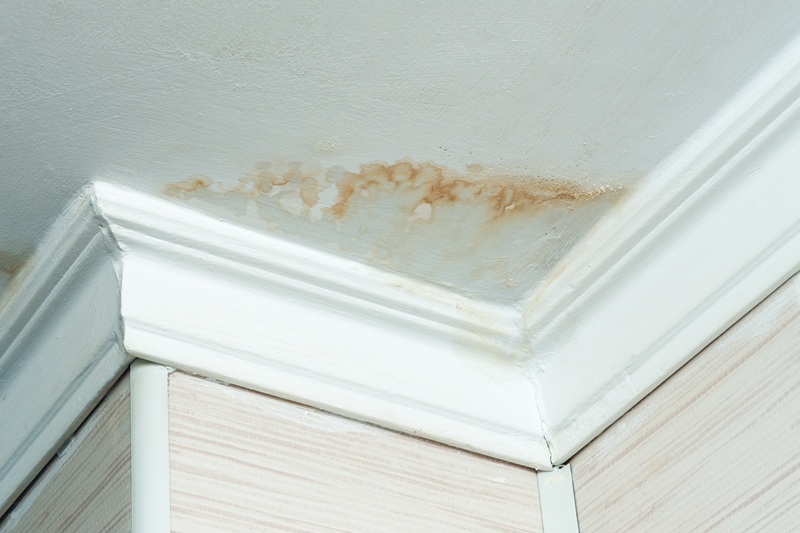
- Active leaking or new ceiling stains after the storm
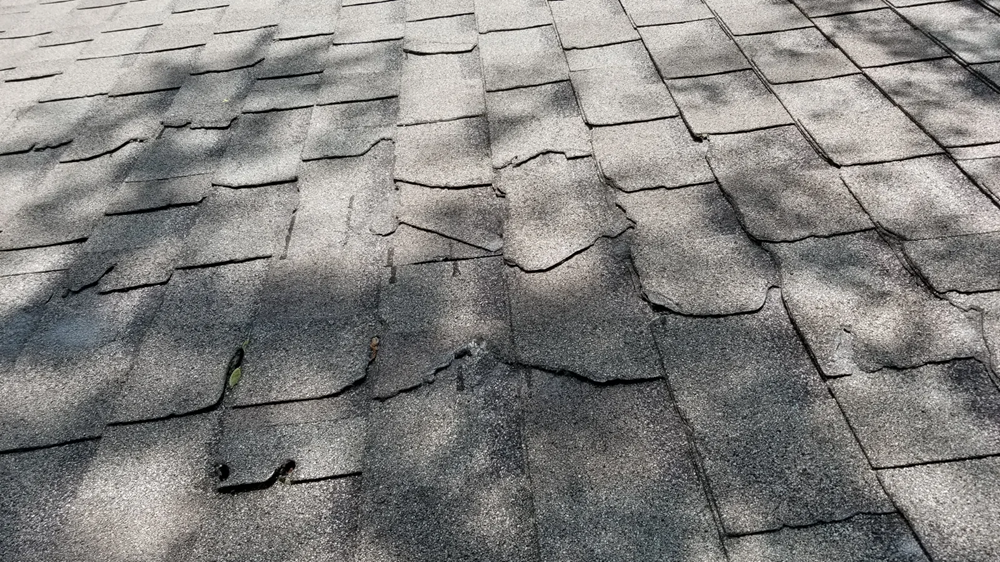
- Missing, torn, folded, or visibly creased shingles
- Exposed underlayment, roof decking, or fasteners
- Hail impact marks across multiple shingles or roof slopes
- Fresh dents in gutters, downspouts, roof vents, or metal flashing
- Missing or damaged ridge-cap shingles
- Tree limbs or flying debris that struck the roof
- Sagging, punctures, or other possible structural damage
- A professional repair estimate that may be significantly higher than your applicable deductible
Not every dark spot, loose granule, or unsealed shingle proves that a claim should be filed. Roof age, prior wear, installation conditions, the cause of the damage, your deductible, and the terms of your policy all matter.
A roofing contractor can inspect and document the physical condition of the roof. Your insurance company determines whether the damage is covered and how the claim will be settled.
Hail Damage vs. Blistering vs. Normal Roof Wear
Homeowners often confuse hail damage with blistering, granule loss, foot traffic, or ordinary aging. That is understandable: several different conditions can create dark spots or areas of missing granules.
The difference is usually found in the pattern, the condition below the granules, the age of the mark, and whether other parts of the property show signs of the same storm.
What Hail Damage on a Toledo Roof May Look Like
Hail damage on your roof can be difficult to identify from the ground, especially when the shingles remain in place after the storm. Possible hail damage can include:
- Randomly distributed impact marks rather than neat rows or repeating patterns
- Areas where granules have been displaced and darker asphalt is newly exposed
- Bruising or fracturing of the shingle mat beneath the surface
- Cracked, torn, or punctured shingles
- Damage concentrated on slopes facing the direction of the storm
- Fresh dents or marks on gutters, downspouts, vents, chimney caps, siding, window screens, or air-conditioning fins
A proper hail inspection looks for a consistent storm pattern and evidence that the shingle was functionally damaged. It does not rely only on finding a few round spots.
Do not press, lift, or bend shingles yourself. On a hot summer day, asphalt shingles can be soft enough for foot traffic or handling to create new marks that complicate the inspection.
What Roof Blistering Looks Like
Shingle blisters generally appear as small raised bubbles. After the top opens, the blister may leave a small, steep-sided pit with missing granules.
Unlike hail impacts, blistering may:
- Appear in a more widespread or consistent pattern
- Include both open and unopened bubbles
- Occur without fresh dents on nearby metal
- Be present on roof areas that received little direct storm impact
- Show weathering that indicates the condition existed before the recent storm
A storm may be the first time you notice blistering, but that does not necessarily mean the storm caused it.
What Normal Roof Wear Looks Like
Normal aging usually develops gradually rather than appearing immediately after one storm. Common signs include:
- Relatively even granule loss across broad areas
- Gray or faded exposed asphalt rather than fresh dark spots
- Curling, clawing, or brittle shingle edges
- Surface cracking or flaking across multiple slopes
- Granules collecting near downspouts over time
- Older repairs, sealant, or exposed fasteners that have already weathered
- Algae streaking or discoloration without impact fractures
Insurance policies generally distinguish sudden storm damage from deterioration, maintenance problems, and normal wear. That is why dated photos, storm information, previous roof records, and a professional inspection can be important.
Wind Damage Signs: Creased Tabs, Missing Shingles, and Exposed Nails
High winds don’t always remove a shingle completely. In many cases, the wind first lifts a shingle, breaks its adhesive seal, and bends it far enough to form a crease. The shingle may fall back into place afterward, making the damage difficult to see from the ground.
Creased or Folded Shingle Tabs
A wind-created crease may appear as a horizontal line across a tab or shingle. Granules may be missing along the fold, and the shingle can be weakened even though it still appears to be lying flat.
Creased shingles are especially important because they may:
- Lift again during the next storm
- Tear along the crease
- Allow wind-driven rain beneath the shingle
- Detach completely after repeated wind exposure
Lifted or Unsealed Shingles
A shingle that sits higher than the surrounding roof, moves in light wind, or no longer lies flat should be inspected. However, an unsealed shingle by itself isn’t always proof of storm damage. Installation problems, debris on the seal strip, age, and temperature-related movement can also interfere with adhesion.
An inspector should look for lasting physical evidence such as creases, folds, tears, displaced material, or fresh exposure, not simply whether a shingle can be lifted.
Missing Shingles and Exposed Fasteners
Missing shingles are one of the easiest wind damage signs to spot. From the ground, look for:
- An obvious empty space in the shingle pattern
- A dark rectangular area where a shingle used to be
- Exposed nail heads
- Visible underlayment
- Bare roof decking
- Loose shingles in the yard or landscaping
Exposed nails and underlayment can provide a direct path for water. If decking is visible, or several shingles are missing from one area, the roof may need temporary protection before the next rainfall.
Ridge Caps, Roof Edges, and Flashing
Roof edges, hips, and ridges can receive strong wind pressure. Inspect these areas visually for:
- Missing or crooked ridge-cap shingles
- Loose pieces near roof peaks
- Bent drip edge
- Lifted chimney or wall flashing
- Damaged plumbing vent boots
- Loose fascia or soffit panels
- Gutters pulled away from the roofline
Flashing damage can cause a major leak even when most of the field shingles remain intact.
Interior Signs of Wind Damage
The exterior damage might not be obvious, but water can still enter beneath loosened shingles or flashing. Check the upper floor and attic for:
- New yellow or brown ceiling stains
- Damp drywall or peeling paint
- Water running down an exterior wall
- Wet or compressed insulation
- Darkened roof decking or rafters
- Fresh water trails around vents, chimneys, and valleys
- A new musty odor after the storm
If you find active water, treat the situation as a roof leak instead of waiting for the insurance inspection.
Safe Storm-Damage Documentation Checklist
Good documentation shows what happened, when it happened, and how the condition changed after the storm. It can also help your roofer, insurance adjuster, and repair team understand the full scope of the loss.
1. Record the Date and Time
Write down:
- The storm date
- The approximate time hail or high winds reached your home
- When you first noticed exterior or interior damage
- Whether the damage appeared during the storm or after the following rainfall
- Any severe-weather alerts or notifications you received
Save screenshots of relevant weather alerts, but don’t rely on weather data alone. The property’s condition still needs to be inspected.
2. Establish the Property in Your Photos
Begin with clear photographs of:
- The front of the house
- The property address or house number
- Each side of the home
- The full roofline from several safe locations
These wide photographs establish where the closer damage photos were taken.
3. Take Wide, Medium, and Close-Up Photos
For each damaged area, try to capture:
- A wide image showing its location on the home
- A medium image showing the affected section
- A close-up showing the specific damage
Use your phone’s zoom or binoculars instead of climbing onto the roof. Take a slow video while walking around the home from a safe distance.
4. Photograph Collateral Damage
Hail and wind often leave evidence away from the shingles. Photograph:
- Dented gutters and downspouts
- Damaged window screens
- Marks on siding or painted trim
- Dents in metal vents and chimney caps
- Broken patio furniture or outdoor equipment
- Fallen branches
- Shingles or roofing pieces found in the yard
- Damaged vehicles, noting that vehicle damage usually involves auto insurance instead of the homeowner’s policy
Don’t move debris until you’ve photographed its original location, unless leaving it in place creates a safety hazard.
5. Document Interior Water Damage
Photograph and record:
- Ceiling and wall stains
- Dripping water
- Peeling or bubbling paint
- Warped trim or flooring
- Damaged furniture or belongings
- Wet carpet and padding
- Water collected in buckets or containers
Take another set of photos after temporary drying or mitigation. This creates a record of both the original condition and the steps you’ve taken to prevent additional damage.
6. Check the Attic Only When It’s Safe
If the attic is safely accessible, use a flashlight and look for:
- Wet insulation
- Darkened wood
- Fresh water trails
- Dampness around vents, pipes, chimneys, or skylights
- Daylight through an opening
- Sagging or damaged decking
Don’t enter an attic with unsafe flooring, exposed electrical hazards, structural damage, or active water near wiring.
7. Keep Temporary-Repair Receipts
Save receipts and invoices for reasonable mitigation expenses such as:
- Professional tarping
- Emergency roof repairs
- Water extraction
- Fans or dehumidifier rentals
- Plastic sheeting
- Temporary storage
- Emergency lodging when applicable
Photograph the roof before and after any temporary work. Ask the contractor to describe what was done and why it was necessary.
8. Preserve the Original Files
Keep the original, unedited photos and videos. Back them up to cloud storage, email, or another device. Maintain a simple written log containing dates, names, phone calls, inspection appointments, expenses, and claim-related conversations.
Insurance Timeline Basics: Before and After the Adjuster
Every homeowner’s policy is different, so review your policy and follow your insurance carrier’s instructions. The following workflow can help Toledo homeowners stay organized without delaying emergency protection.
Every homeowner’s policy is different, so review your policy and follow your insurance carrier’s instructions. Ohio homeowners can also review the Ohio Department of Insurance Severe Weather Toolkit for guidance on preparing for severe weather, documenting property damage, and navigating the insurance claim process.
Immediately After the Storm
Your first priorities are safety, preventing further water entry, and documenting the loss.
- Keep people away from damaged or sagging areas.
- Photograph the condition before cleanup or temporary repairs.
- Arrange emergency tarping or leak control when necessary.
- Save all receipts and contractor documentation.
- Notify your insurance company promptly when the damage appears significant or you’re planning to file a claim.
- Record the claim number and the contact information for everyone assigned to the claim.
When you report the loss, ask:
- What deductible applies?
- Is there a separate wind or hail deductible?
- Does the roof have replacement-cost or actual-cash-value coverage?
- What temporary work is authorized?
- Does the insurer need to inspect before permanent repairs begin?
- When should you expect the adjuster to contact you?
- What photographs, estimates, and records should you submit?
Replacement-cost coverage generally addresses the cost of repairing or replacing covered property without deducting depreciation, subject to the policy’s terms and deductible. Actual-cash-value coverage accounts for depreciation, which can significantly affect the amount available for an older roof.
Before the Adjuster Arrives
Prepare a claim folder containing:
- Your photos and videos
- A written timeline of the storm and discovery of the damage
- Temporary-repair receipts
- The professional roof inspection report
- Repair or replacement estimates
- The roof’s approximate age
- Prior invoices, warranties, permits, or installation records
- Previous photos showing the pre-storm condition, when available
- A list of damaged personal property and interior finishes
Unless immediate permanent work is necessary to keep the property safe or prevent additional damage, give the insurance company a reasonable opportunity to inspect the original condition. Ask your carrier what it needs before you authorize extensive repairs.
During the Insurance Inspection
Be available for the inspection whenever possible. Show the adjuster:
- Exterior damage
- Interior stains and active leaks
- Attic moisture
- Temporary repairs
- Damaged personal property
- Contractor photographs and inspection notes
Your roofing contractor may be present to identify construction details, explain the observed physical damage, and discuss the repair scope. The roofer shouldn’t promise coverage or claim approval. Coverage decisions belong to the insurance company.
After the Adjuster’s Inspection
Request a written copy of the insurer’s estimate or scope. Compare it with the roofing contractor’s inspection and estimate.
Look for differences involving:
- The number of affected roof slopes
- Ridge and hip shingles
- Flashing
- Underlayment
- Drip edge
- Vents and pipe boots
- Gutters and downspouts
- Damaged decking
- Interior repairs
- Disposal and cleanup
- Required permits or code-related work
A difference between estimates doesn’t automatically mean either side is wrong. Ask the insurer how additional documented damage, hidden conditions, or required scope changes should be submitted.
Don’t sign an assignment of benefits, broad authorization, or repair agreement you don’t fully understand. Be cautious with high-pressure contractors, large upfront cash demands, or anyone who guarantees that insurance will buy an entire roof before completing an inspection.
Repair vs. Replacement After a Summer Storm
Whether a storm-damaged roof should be repaired or replaced depends on the amount of damage, roof age, shingle condition, affected components, and whether a lasting repair can be completed without damaging surrounding materials.
A Roof Repair May Be Appropriate When:
- Damage is limited to a small, identifiable section
- Only a few shingles are missing or torn
- Flashing or a vent boot is the primary problem
- The remaining shingles are in serviceable condition
- Compatible replacement materials are available
- The roof deck and underlayment remain sound
- There isn’t widespread hail fracturing or wind creasing
A targeted
roof repair may restore the roof without replacing unaffected areas.
A Roof Replacement May Be Appropriate When:
- Hail damage is widespread across one or more slopes
- Wind has creased or removed shingles throughout the roof
- Several slopes have exposed or compromised materials
- The roof has multiple active leak areas
- Decking damage extends beyond one isolated location
- Existing shingles are too brittle to repair without causing additional breakage
- The storm damage is combined with advanced age or deterioration
- A repair would be temporary rather than a reliable long-term solution
Matching, local code requirements, material availability, and policy terms may also influence the final scope, but none of those factors automatically guarantees insurance coverage for a complete replacement.
When replacement is the responsible long-term choice, learn more about Top Roofing’s
residential roof replacement services.
FAQ’s – Hail and Wind Roof Damage
Can hail damage a roof without causing an immediate leak?
Yes.
Hail damage to your roof can compromise a shingle before water becomes visible inside. A fracture, bruise, or puncture may worsen as the roof goes through heat, rain, and additional wind. That’s why a post-storm inspection can be valuable even when ceilings are still dry.
How soon after a Toledo hail or windstorm should I schedule an inspection?
Schedule the inspection as soon as conditions are safe, particularly when you see missing shingles, metal dents, fallen debris, or new interior moisture. Early documentation helps establish the roof’s condition close to the storm date and gives you time to make repairs before the next storm.
Should I call a roofer or my insurance company first?
For an active leak, exposed decking, or immediate safety concern, contact a roofer for emergency mitigation right away. When the damage appears significant or you’re planning to file a claim, notify your insurance company promptly as well. The two calls can happen in parallel, so don’t delay required claim notice while you’re waiting for a contractor’s full report.
Can I have the roof tarped before the adjuster arrives?
Reasonable temporary protection is commonly used to prevent additional damage. Photograph the condition before tarping, and don’t attempt unsafe roof access. Use a qualified professional, retain your receipts, and tell the insurer what was done. Confirm any policy-specific instructions with your carrier.
Will homeowners insurance cover storm damage to an older roof?
Possibly, but age alone doesn’t answer the question. The insurer will consider the cause of loss, pre-storm condition, policy exclusions, deductible, and whether the roof is covered at replacement cost or actual cash value. Normal aging and maintenance problems are generally treated differently from sudden wind or hail damage.
Will insurance replace the entire roof for a few damaged shingles?
Not automatically. The appropriate scope may be an isolated repair, replacement of one affected slope, or a complete roof replacement. The decision depends on the amount and location of damage, repairability, material condition, policy language, and applicable construction requirements.
Are granules in my gutters proof of hail damage?
No. Granules can loosen because of age, foot traffic, installation, manufacturing conditions, or storm impact. Their presence is a reason to inspect the roof, but it isn’t proof of hail damage. The overall pattern and condition of the shingles still need to be evaluated.
Schedule a Storm-Damage Roof Inspection in Toledo
Don’t wait for a ceiling stain to confirm that a summer storm affected your roof. Missing shingles, broken seals, hidden wind creases, damaged flashing, and hail impacts can leave your home vulnerable to the next heavy rainfall.
Top Roofing LLC provides professional roof inspections, storm-damage documentation, repairs, and roof replacement services for homeowners in Toledo and surrounding Northwest Ohio communities. We’ll show you what we find, explain whether repair or replacement makes sense, and provide a clear scope for the work your roof needs.