
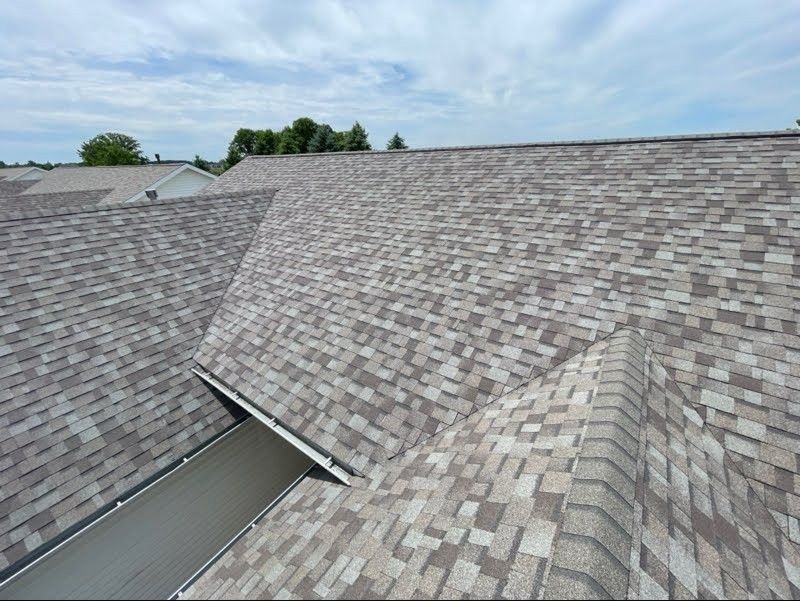
If you are comparing a new roof, the warranty deserves the same attention as the shingle color and price. The phrase roof warranty can refer to several different protections, and they do not all cover the same problems.
In most cases, homeowners need to distinguish among a manufacturer’s product warranty, the roofing contractor’s workmanship coverage, and an optional extended manufacturer-backed roofing-system warranty. One may address a qualifying material defect. Another may address an installation error. Storm damage, maintenance problems, and normal aging are usually separate questions governed by the written warranty and, when applicable, your homeowners insurance policy.
This roofing warranties explained guide gives Toledo homeowners a practical way to compare coverage before signing a roof replacement contract. It also explains which documents to keep, what questions to ask, and why the written proposal matters more than a verbal summary.
A roof warranty covers only the conditions defined in its written terms. A standard manufacturer’s limited warranty generally addresses qualifying defects in the roofing products. A contractor workmanship guarantee generally addresses covered installation errors. An eligible extended manufacturer warranty may broaden product, labor, system-component, or workmanship protection, depending on the selected coverage and installation requirements.
The key point: Ask for the exact warranty name and written terms. Do not assume that “lifetime,” “manufacturer-backed,” or “workmanship” means every leak or repair will be covered for as long as the roof remains on the house.
Ask which manufacturer warranty and workmanship coverage are included with your Top Roofing proposal. Terms, registration requirements, transfer rules and exclusions should be provided for the specific roof system you choose.
Owens Corning’s roofing warranty guide separates coverage into three broad types: a standard manufacturer warranty, contractor workmanship coverage, and extended manufacturer coverage. Thinking in those three layers makes it easier to see where protection may overlap and where a gap may remain.
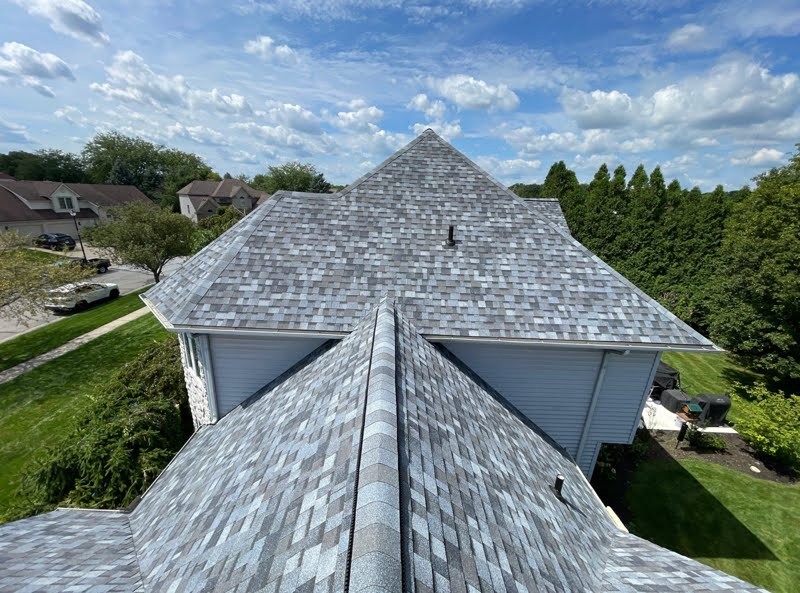
The standard manufacturer warranty comes with the roofing products. It generally applies when a covered product has a manufacturing defect during the applicable warranty period. The actual remedy may change over time and may include materials only, prorated coverage, or other limits described in the document.
A manufacturer warranty is not automatically a warranty against every roof leak. Water can enter because of flashing, penetrations, storm damage, ice dams, ventilation problems, deck movement, maintenance issues, or installation errors. The cause has to be identified before anyone can determine which warranty, contractor obligation, or insurance policy may apply.
Workmanship coverage addresses installation rather than the manufacture of the shingles. Examples may include a covered problem caused by how a roofing component was installed, but the contractor’s written terms determine the duration, remedy, exclusions, notice requirements, and who pays for related labor or materials.
Ask for the workmanship coverage in writing before work begins. A clear document should tell you who stands behind the installation, what you must do if a problem appears, whether another contractor may work on the roof, and whether the coverage can transfer to a future owner.
An extended manufacturer-backed warranty may provide broader protection than the standard product warranty. Depending on the specific program, it may extend a non-prorated period, cover additional roofing-system components, include certain labor costs, or add manufacturer-backed workmanship coverage.
These warranties normally have eligibility rules. The roof may need qualifying shingles and components, installation by a contractor with the required manufacturer designation, timely registration, and compliance with current program terms. The Owens Corning warranty comparison shows why the exact system and coverage level matter.
| Coverage type | Designed to address | Main question to ask |
|---|---|---|
| Standard manufacturer warranty | Qualifying defects in covered roofing products | What products, labor, and costs are covered at each stage? |
| Contractor workmanship coverage | Covered errors in the installation | What is the term, remedy, claim process, and transfer rule? |
| Extended manufacturer warranty | Broader product or roofing-system coverage and, in some plans, workmanship | Which named plan is included, and what must be installed and registered? |
“Limited lifetime” does not mean that every roof problem is fully covered forever. The word limited is important. Coverage may be tied to the original owner’s ownership of the home, a defined type of residence, a non-prorated introductory period, and a different remedy later. Transfer rules may also change the remaining coverage.
The warranty term is also different from the roof’s expected service life. A shingle can have a long written warranty and still age because of sun, heat, wind, moisture, ventilation, installation conditions, and maintenance. For the planning side of that question, read how long an asphalt shingle roof lasts in Ohio.
Before relying on the word “lifetime,” find these answers in the current warranty document:
The easiest way to separate the two is to ask what caused the problem.
If a shingle or covered component was manufactured incorrectly, the manufacturer warranty may apply. If a sound product was installed incorrectly, the contractor’s workmanship coverage or an eligible manufacturer-backed workmanship plan may apply. If wind, hail, falling debris, ice, animals, later construction, or neglected maintenance caused the problem, a roof warranty may not be the right source of coverage.
Real roof problems are not always obvious. A leak near a chimney could come from flashing, masonry, underlayment, shingles, or a nearby penetration. An inspection should identify the likely cause before the homeowner is directed to a manufacturer, contractor, or insurance carrier.
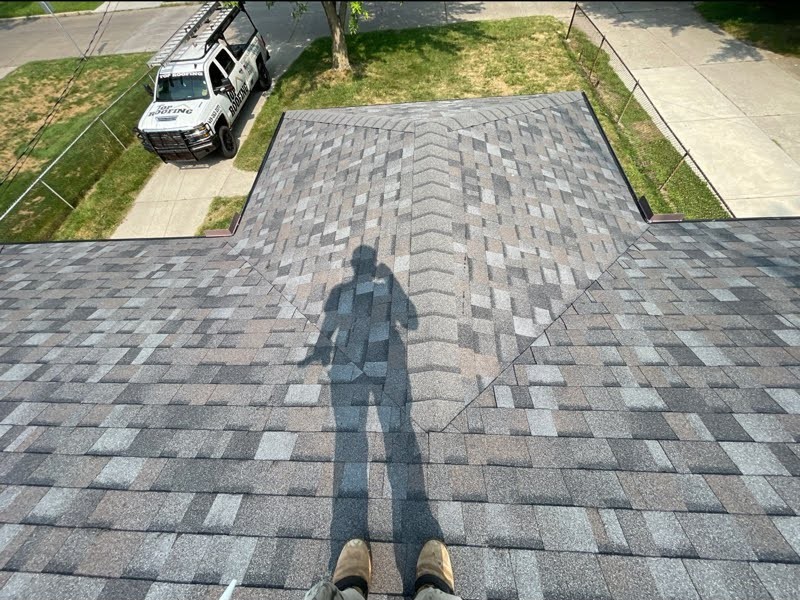
Some enhanced manufacturer warranties are available only through contractors who meet the manufacturer’s program requirements. Owens Corning identifies Platinum Preferred Contractors as the top tier of its contractor network and states that only that tier can offer its best roofing-system warranty. Top Roofing is listed in the Owens Corning contractor directory for the Toledo area and identifies itself as an Owens Corning Platinum Preferred Contractor.
That designation does not mean every Top Roofing project automatically receives the same enhanced warranty. The selected shingles, components, roof type, property eligibility, proposal, registration, and current manufacturer terms still matter. Ask which exact warranty option is included in your estimate and whether an upgraded option is available for the system you are considering.
Every warranty has its own terms, but several issues commonly affect whether a claim qualifies. Review the actual document instead of treating this list as a substitute for it.
Toledo weather adds another reason to read the terms carefully. Freeze and thaw cycles, wind, hail, snow, ice dams, and summer attic heat can affect a roof, but weather exposure is not the same as a covered manufacturing or installation defect. Proper diagnosis matters.
A strong warranty is much easier to use when the homeowner can identify the roof, products, installer, and applicable coverage. Keep both digital and paper copies of:
Top Roofing’s roof replacement timeline for Toledo homeowners explains what to expect from the initial inspection through cleanup and final review. It also reinforces why the estimate should identify the available manufacturer warranty and any workmanship coverage.
Use these questions before signing a roofing contract so the coverage, responsibilities, and next steps are clear.
Comparing these details alongside scope and price gives you a more complete picture of value. If you are still budgeting, the guide to new roof cost in Toledo explains the roof conditions and system choices that can change an estimate. When you are ready to plan the work, compare the best times to replace a roof in Toledo.
There is no single answer. Product, workmanship, and extended roofing-system warranties can have different terms. Coverage may also change after an initial non-prorated period or after a transfer. Use the exact warranty document for the shingles, system, installer, and property.
Not automatically. A manufacturer warranty may provide a remedy when a leak results from a covered product defect, but leaks also come from installation, flashing, storms, ice dams, penetrations, drainage, maintenance, or structural movement. The cause must be inspected and documented.
No. A shingle warranty generally addresses covered product defects. Workmanship coverage addresses covered installation errors. An eligible extended manufacturer warranty may combine broader product and workmanship protection, but only as stated in its terms.
No. Platinum Preferred status can make certain enhanced options available, but the warranty on an individual project depends on the selected roof system, the proposal, eligibility requirements, registration, and current Owens Corning terms. Ask for the exact warranty name in writing.
Some warranties allow a transfer, but the deadline, fee, remaining term, and future coverage can vary. Review the transfer section before closing and keep written confirmation with the home records.
They can. Manufacturer documents may include ventilation, deck, installation, or moisture requirements. A roofer should evaluate intake and exhaust ventilation as part of the roof system, especially when the attic shows heat or moisture problems. Learn more in Top Roofing’s guide to a hot attic in Toledo.
Protect the home from additional damage when it is safe to do so, photograph the condition, and locate your contract, invoice, product information, registration, and warranty documents. Contact the contractor or manufacturer listed in the claim instructions. Do not authorize unrelated alterations before the condition is documented unless emergency work is needed to protect the property.
A warranty should be clear before the first shingle is removed. Top Roofing can inspect your roof, explain the recommended system, and provide a written estimate that identifies the available manufacturer warranty and any workmanship coverage for your project.
If you are deciding whether the existing roof still has useful life, start with the roof repair versus replacement guide. If replacement is the right next step, review Top Roofing’s residential roof replacement service and schedule an on-site estimate.
Comparing roof warranty options in Toledo?
Ask Top Roofing to explain the roof system, written coverage, registration steps, and replacement estimate for your home.
Call (419) 262-2177 Request A Roof Estimate
Warranty programs and written terms can change. This guide uses Top Roofing’s published service information and current Owens Corning educational resources, warranty comparison, document library, and contractor directory. For a specific roof, the signed proposal, warranty certificate, registration confirmation, and current legal terms control.