
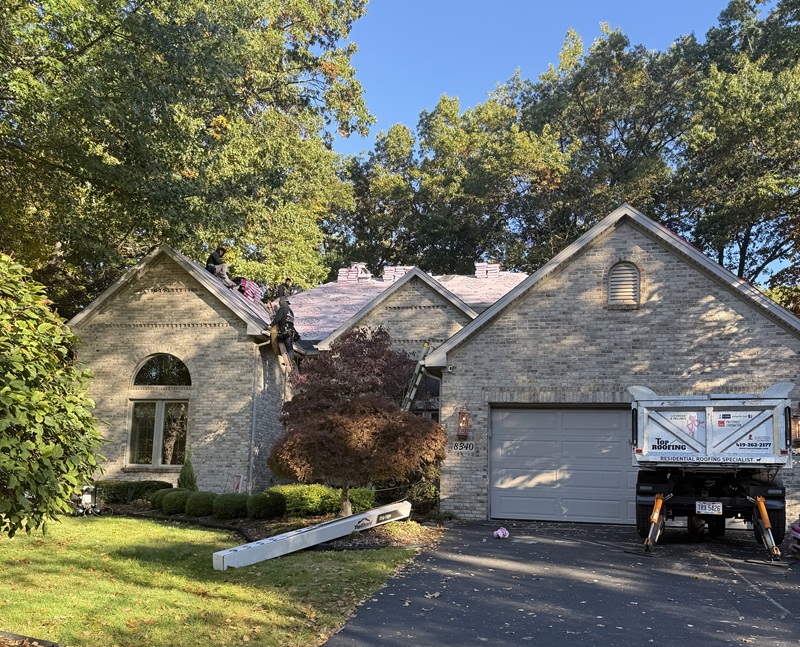
How long does a roof replacement take? For most homeowners, that question is about more than the number of working days. You also want to know when materials will arrive, when the noise begins, whether you can stay home, what happens if the crew finds damaged wood, and how weather in Toledo, Ohio, can change the schedule.
A roof replacement timeline in Toledo depends on the home and the approved scope of work. Roof size, pitch, access, old roofing layers, deck condition, ventilation, flashing, skylights, and weather all matter. A straightforward asphalt-shingle roof can move quickly. A steep or complex roof with concealed damage will take more time.
This guide from Top Roofing, an Owens Corning Platinum Preferred Contractor, walks through the full roof replacement process, from the first inspection to final cleanup, so you can plan around the work and know which questions to ask before installation begins.
Based on Top Roofing’s residential roof replacement experience in Northwest Ohio, most Toledo homes are completed in 1–3 working days once installation begins, weather permitting. Treat that as a planning range, not a promise. The full process takes longer because the estimate, material selection, financing when needed, permit coordination, material delivery, crew scheduling, and a suitable weather window happen before installation. A simple, accessible asphalt-shingle roof may move faster, while a larger, steeper, or more detailed roof can take longer. Extra tear-off layers, hidden deck damage, ventilation corrections, skylights, flashing details, and unsafe weather can also extend the work.
A trusted roof replacement contractor should define the scope in writing and give you a project-specific schedule before installation begins. That schedule is more useful than a generic online average because it is based on the roof over your home.
| Project stage | What happens | What you should expect |
|---|---|---|
| Inspection and estimate | The roof, visible damage, access, and project scope are evaluated. | Photos, recommendations, and a written estimate based on the home. |
| Material and detail selection | Shingles, colors, ventilation, flashing, skylights, and related upgrades are reviewed. | Final decisions before materials are ordered and work is scheduled. |
| Scheduling and preparation | Materials, equipment, permits, and a suitable weather window are coordinated. | Instructions for vehicles, pets, outdoor belongings, and driveway access. |
| Property setup and tear-off | Work areas are prepared and old roofing materials are removed. | Noise, vibration, equipment, and restricted access around parts of the house. |
| Deck inspection and installation | The exposed deck is checked, necessary repairs are addressed, and the new roof system is installed. | A scope or timeline change if concealed damage is found. |
| Cleanup and final review | Debris is removed and the completed work is inspected. | Project closeout, documentation, and a chance to ask questions. |
The active installation is only one part of the process. Material decisions, financing when needed, permit coordination, and weather scheduling all happen before the crew starts removing shingles.
The process starts with an inspection. During this step, roofing contractors look at the roof surface, visible wear or storm damage, flashing, penetrations, ventilation, and the attic or roof deck when accessible.
This is also when the contractor should explain whether a targeted repair is still reasonable or whether replacement is the better long-term choice. If you are weighing that decision, read Top Roofing’s guide on how to repair or replace your roof.
A useful roof estimate should explain more than the total price. It should identify the roofing system, tear-off scope, ventilation or flashing work, disposal, cleanup, available manufacturer warranties, any workmanship coverage, and how concealed deck repairs will be handled if damaged wood is uncovered.
For a closer look at what affects the price, see the guide to roof replacement cost in Toledo.
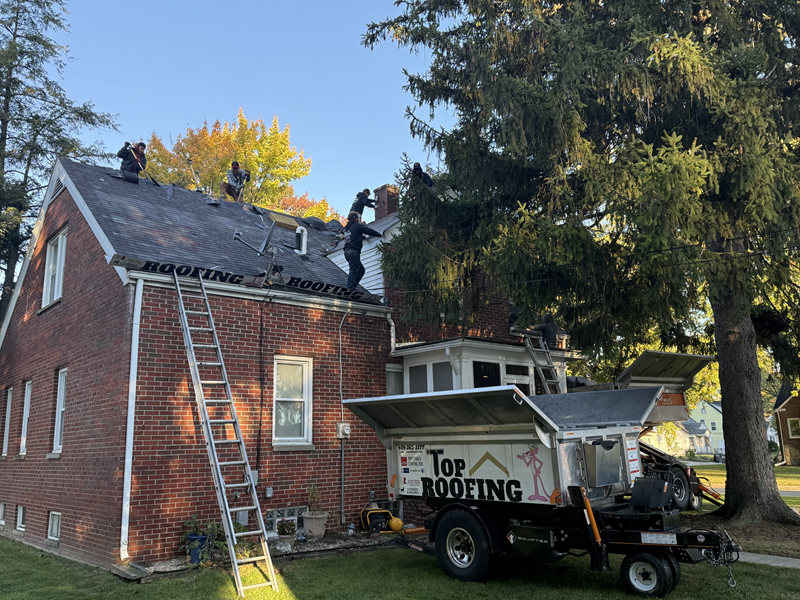
Before scheduling, you will usually choose the shingle line and color and review the roof details that need attention. This may include ridge or roof vents, intake ventilation, chimney flashing, pipe boots, valleys, skylights, and gutters.
Roof replacement is a practical time to correct an unbalanced attic ventilation system because the crew can evaluate existing roof vents and the roof deck as part of the project. An older or failing skylight replacement may also be easier to coordinate before new shingles are completed around it.
If financing is part of the project, approval can affect when the job is placed on the calendar. Top Roofing explains its request, quote, approval, and scheduling sequence on the roof financing options page.
Permit requirements depend on the property’s location and the work being performed. For homes within Toledo city limits, a complete roof tear-off requires a permit. When a homeowner hires a contractor, the City says the contractor applies for it. Review the City of Toledo’s residential exterior permit instructions for details. Properties outside Toledo may follow different requirements, so confirm that permit timing is included in the proposed schedule.
Once the scope, materials, approvals, and weather window line up, the contractor can confirm the installation date and expected duration for your roof.
Before tear-off begins, the crew stages equipment and materials and prepares the areas around the house. The exact setup depends on driveway access, roof height, landscaping, neighboring homes, and where debris can be collected safely.
Confirm where vehicles should be parked and which doors or walkways will have limited access. Keep children and pets away from the work zone.
Removing old shingles gives the crew access to the surface underneath. A full tear-off also makes it possible to see deck problems that were hidden during the initial inspection.
Tear-off is often the loudest part of the job. Expect repeated impact noise and vibration inside the house. Fragile wall decorations, shelving, and items stored in the attic should be secured before work begins.
The roof deck is the wood surface that supports the roofing system. Once it is exposed, the crew can check for soft, rotted, delaminated, or otherwise damaged sections.
If repairs are needed, the work should be addressed before new roofing covers the area. This can add labor, materials, and time, which is why the estimate should explain in advance how concealed deck repairs are documented and approved.
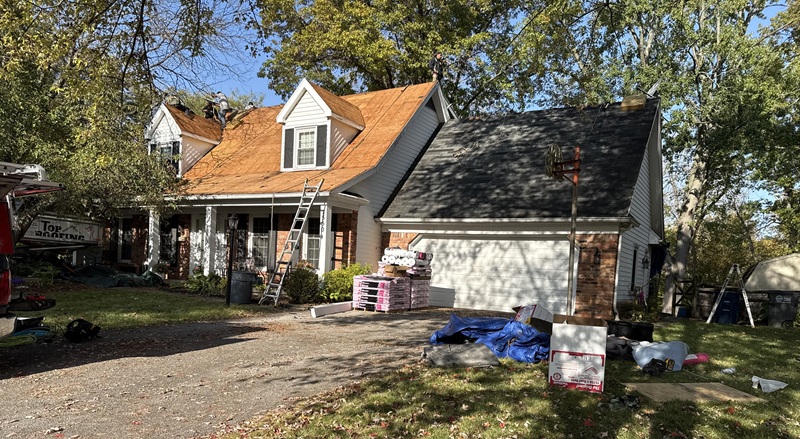
A roof is more than its visible shingles. Depending on the roof design, local requirements, product specifications, and approved scope, the system may include drip edge, required ice-shield underlayment or another ice barrier, underlayment, flashing, ventilation components, field shingles, and ridge caps.
The exact sequence and details depend on the roof and the selected manufacturer’s instructions. Valleys, chimneys, skylights, sidewalls, and roof penetrations usually require more detail work than an open roof plane.
As installation wraps up, roofing debris and packaging are collected and removed. The crew checks the completed roof and work area, then closes out the project according to the agreed scope.
Ask what the final cleanup includes, what documents you will receive, and who to contact if you notice a concern after the project.
Even a well-planned project can change once work begins. The most common timeline factors include:
The best way to avoid surprises is to discuss these possibilities before signing the contract. Ask what is known, what remains concealed, and how you will be notified if the scope changes.
A little preparation can make installation day safer and less disruptive.
Your contractor may have a project-specific preparation checklist. Follow that list if it differs from general advice because it should reflect the equipment and access plan for your home.
Homeowners can often remain in the house, but that does not mean the day will feel normal. Tear-off and installation create loud impact noise and vibration. People who work from home, young children, pets, or anyone sensitive to noise may be more comfortable elsewhere during active work.
If you stay home, avoid doors and walkways beside the work zone and do not approach equipment. Ask the project contact which entrance is safest to use and whether the crew may need access to the attic or another interior area.
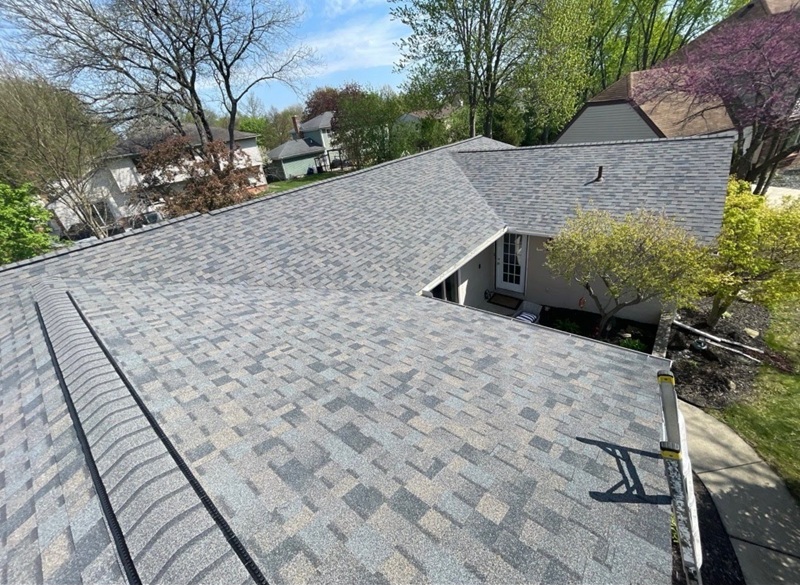
Roofing schedules are built around the forecast, but Northwest Ohio weather can change quickly. Rain, high winds, wet surfaces, ice, or unsafe temperatures may delay the start or pause active work.
The crew should plan tear-off around the weather window and protect unfinished areas using the dry-in method appropriate to the roof system. Before installation, ask how the roof will be secured if conditions change or the project continues another day. Do not assume that a roof can always be completed on the original date regardless of weather.
Before considering the project complete, review the roof and closeout details with the contractor. Depending on the agreed scope, the final steps may include:
Keep the contract, paid invoice, warranty information, material details, and project photos together. Those records can be useful for future maintenance, warranty questions, documentation for an insurance claim, or a home sale.
Most Toledo homes are completed in 1–3 working days once installation begins, weather permitting. Roof size, pitch, complexity, access, tear-off layers, deck condition, weather, and the approved scope can make the project shorter or longer. Your contractor should give you a project-specific schedule after the inspection.
Some straightforward residential roofs may be completed in one day under suitable conditions, but one-day completion should not be assumed or promised before the roof is evaluated. Safety, installation quality, concealed deck damage, and weather matter more than an arbitrary deadline.
Rain, wet surfaces, high winds, or other unsafe conditions may delay the start or pause work. The crew plans tear-off around the forecast and protects unfinished areas using the dry-in method appropriate to the roof system. Ask about the weather plan before installation begins.
If a project spans more than one day, the contractor should explain how tear-off will be sequenced and unfinished sections will be protected. Ask about the dry-in and overnight weather-protection plan before work begins rather than assuming every roof can be completed in one day.
Often, yes, but expect loud noise and vibration. Working from home can be difficult, and pets or small children may be more comfortable elsewhere. Follow the crew’s instructions about entrances and restricted areas around the house.
It can. Damaged decking must be addressed before the new roof system is installed. Because some damage is concealed until tear-off, the estimate should explain how additional wood replacement may affect approval, price, and timing.
Scheduling changes with the season, weather, material availability, permit timing, and contractor workload. If you have a target date, discuss it during the estimate rather than relying on a general lead-time estimate.
Sometimes. An aging skylight may be easier to replace while the surrounding roofing is already being rebuilt, and gutter or fascia work may be easier to coordinate as part of one exterior project. The right sequence depends on the condition of each component and the approved scope.
The most useful roof replacement timeline is the one built around your home. Top Roofing can inspect the roof, explain the scope, identify factors that may affect installation, and provide an expected schedule with your estimate.
Top Roofing provides residential roof replacement services for homeowners in Toledo, Perrysburg, Sylvania, Maumee, Ottawa Hills, and surrounding Northwest Ohio communities.
Get a timeline built around your roof.
Schedule an inspection to review the scope, options, and expected installation schedule for your home.
Learn more about professional roof replacement and what Top Roofing includes in its four-stage process.