
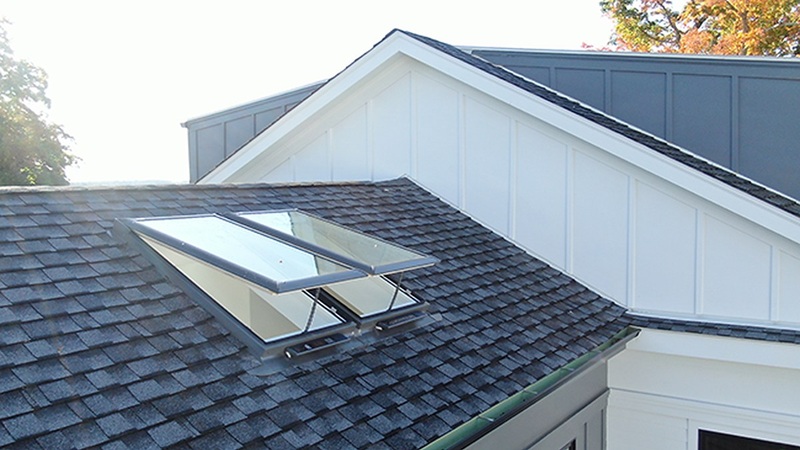
Summer is when a problem skylight becomes impossible to ignore, especially for homeowners searching for skylight replacement Toledo services before the next round of heat, glare, and heavy rain.
In winter, the big question is usually, “Is this a leak or condensation?” But in summer, homeowners notice a different set of problems: the room feels hotter than the rest of the house, the sunlight is too harsh, the glass looks foggy, stains spread after heavy rain, or the skylight that used to brighten the room now feels like it is working against the home.
That does not always mean the skylight needs to be replaced. Sometimes the real fix is a roof repair or a flashing correction. Other times, especially with an older skylight, replacing the unit is the smarter long-term solution.
If you are comparing skylight replacement options in Toledo, here is how to tell whether you need a re-flash, a repair, or a full replacement before the next round of summer storms and heat.
For service details, visit our Skylight Replacement page.
In most cases, re-flashing fixes a skylight leak when the unit is still in good condition and the problem is coming from the roof tie-in. Full skylight replacement is usually the better option when the glass is fogged, the frame is damaged, the unit is older, or the skylight has leaked repeatedly after past repairs.
The right fix depends on where the problem is coming from.
If the skylight itself is still in good shape but water is getting in around the edges, the issue may be the flashing, shingles, sealant, or roof tie-in. In that case, a targeted roof repair or re-flashing may solve the leak without replacing the entire unit.
If the skylight glass is fogged between panes, the frame is warped, the acrylic dome is cracked or yellowed, or the unit has leaked repeatedly after past repairs, replacement is usually the better investment.
Here is the simple way to think about it:
The skylight is newer, the glass is clear, the frame is solid, and the leak appears to come from the roof connection around the unit.
The skylight is older, inefficient, cracked, fogged between panes, drafty, damaged by UV exposure, or has a history of recurring leaks.
Replacement timing matters, too. Summer is often a practical time to replace a skylight because dry weather makes roof work easier to schedule, and homeowners can immediately feel the comfort improvements from updated glazing, better sealing, and ventilation options.
A good assessment should answer one question clearly: is the roof system around the skylight failing, or is the skylight unit itself failing?
If you are comparing skylight replacement Toledo options, the first step is to determine whether the problem is the skylight unit itself or the flashing and roof tie-in around it.
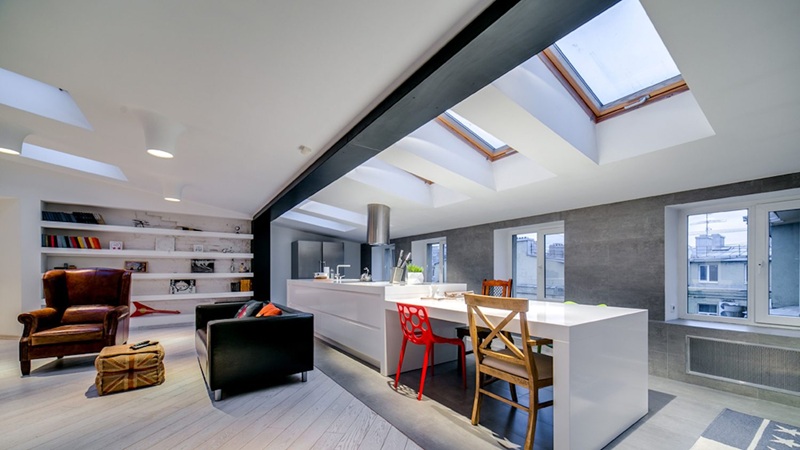
A skylight replacement Toledo is more than removing the old window and dropping in a new one.
Here are the summer warning signs Toledo homeowners should watch for.
If the area below your skylight gets noticeably warmer on sunny afternoons, the skylight may be letting in too much solar heat into the room. This is common with older skylights, especially older acrylic domes or outdated glass units without modern energy-efficient glazing.
A replacement skylight with better glass, improved sealing, and the right style for the roof can help reduce unwanted heat gain while still bringing in natural light.
Modern skylights are rated for performance factors like U-factor and solar heat gain coefficient, which help explain how much heat moves through the glass and how much solar heat enters the home.
Bright daylight is one of the best reasons to have a skylight, but harsh glare can make a kitchen, living room, bathroom, or home office uncomfortable. If you are closing blinds, avoiding the room, or rearranging furniture because of the light, the skylight may not be performing the way it should.
Modern skylight options can improve daylight without the same level of harsh glare, especially when paired with the right glass or shade option.
Fog on the inside surface can be condensation. But fog or moisture trapped between the panes of glass usually indicates that the insulated glass seal has failed.
That is different from normal room humidity. Once the seal inside the glass unit fails, the skylight can lose efficiency and stay permanently cloudy. In many cases, especially with older units, replacement makes more sense than trying to keep repairing around the problem.
For the winter version of this issue, see our related guide: Skylight Leaks vs. Condensation: How to Tell and Fix the Problem.
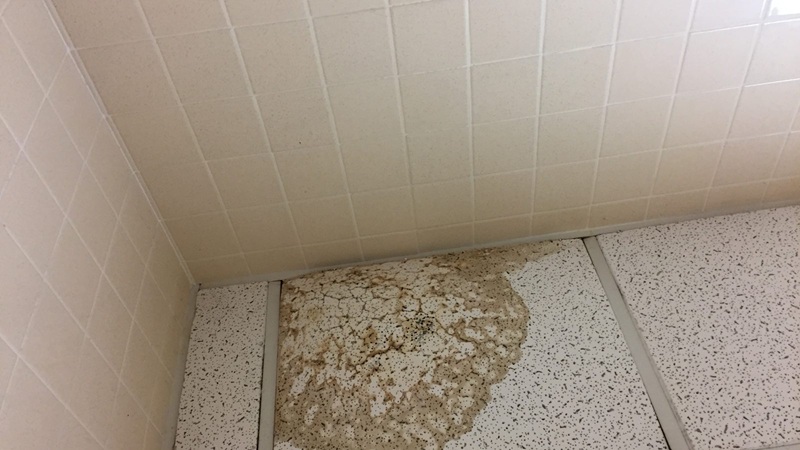
Brown or yellow staining on drywall, bubbling paint, soft trim, or water marks near the skylight are signs that moisture has entered the opening.
The important part is not just covering the stain. You need to find the source. Water can enter through failed flashing, damaged shingles, cracked sealant, deteriorated underlayment, or the skylight unit itself.
Aging skylights often show their age before they fail completely. Look for cloudy acrylic, small cracks, warped frames, loose trim, brittle seals, or repeated repairs around the curb.
If the skylight has already been patched multiple times, replacement may be the better long-term option because it addresses the unit, flashing, and roof connection all at once.
Not every skylight leak is caused by the skylight itself.
That is why a good inspection matters. Water follows the easiest path, and the place where you see the stain inside is not always the exact place where water entered outside.
Most skylight leaks come from one of two categories.
Flashing is the system that connects the skylight to the roof. When flashing is damaged, missing, poorly installed, or no longer integrated correctly with the shingles, water can get underneath and travel into the skylight opening.
This can happen due to age, storm damage, improper installation, a deteriorated sealant, lifted shingles, or prior roof work that disturbed the skylight area.
Signs that point toward flashing or roof tie-in problems include:
Water stains after heavy rain, but clear glass and a solid skylight frame.
Leaks appear around the corners of the skylight shaft.
Damaged or missing shingles near the skylight.
Past repairs that relied mostly on caulk instead of correcting the flashing system.
In these cases, Top Roofing may recommend a targeted roof repair or re-flashing rather than a full skylight replacement.
The skylight unit itself can also fail. This is more common when the skylight is older or has been exposed to years of sun, rain, snow, freeze-thaw cycles, and temperature swings.
Signs that point toward unit failure include:
At that point, replacing the skylight is often the cleaner and more reliable solution. A new unit allows the roofing crew to remove the old skylight, inspect the opening, repair damaged decking or framing, install the proper flashing system, and seal the entire assembly.
A skylight replacement Toledo is more than removing the old window and dropping in a new one.
Done correctly, the skylight becomes part of the roof system. That matters because the roof, flashing, underlayment, curb, frame, and interior opening all work together to keep water out and comfort in.
Here is what proper skylight replacement should include.
The first step is identifying why the current skylight is failing. A roofing professional should inspect the skylight, roof surface, shingles, flashing, skylight curb or deck mount, attic area when accessible, and interior signs of moisture.
This helps separate a true skylight failure from a roof repair issue.
The replacement plan should match the home, roof pitch, room use, and comfort goals.
For example, a skylight over a stairwell may need a different solution than one over a bathroom, kitchen, loft, or living room. Some rooms benefit from fixed skylights. Others may benefit from venting skylights that help release warm, stale air.
The old skylight needs to be removed without creating unnecessary damage to the surrounding roof area. This is also when the crew can see hidden issues that may not be visible from the surface, such as soft decking, deteriorated framing, or old water damage around the opening.
Before the new skylight goes in, the opening should be cleaned, checked, and repaired as needed. Any compromised wood, loose materials, or uneven surfaces should be addressed so the new unit has a solid base.
Skipping this step can lead to repeated leaks.
This is one of the most important parts of the job.
A skylight has to shed water correctly. That means the flashing system must be installed in the correct order and integrated with the shingles and underlayment so that rain moves around the skylight rather than beneath it.
Caulk alone is not a long-term leak-prevention strategy. Proper flashing is.
After installation, the crew should check the exterior details, clean up the work area, and review the finished skylight with the homeowner.
The goal is not just a better-looking skylight. The goal is a skylight that improves daylight, helps comfort, and protects the home from water intrusion.
Yes. Summer can be a good time to replace a skylight because homeowners are already noticing issues with heat, glare, ventilation, and storm-related leaks. Dry weather windows can also make scheduling exterior roof work easier than in winter.
Sometimes. If the skylight unit is still in good condition and the leak is caused by flashing, shingles, or the roof tie-in, a repair or re-flash may be enough. If the unit is cracked, fogged between panes, warped, or leaking repeatedly, replacement is usually the better long-term fix.
Older skylights may allow too much solar heat into the room, especially during long summer afternoons. The issue can come from outdated glass, poor placement, lack of shading, failed seals, or an older acrylic dome. A modern skylight can improve comfort while still bringing in natural light.
Fog or moisture between the glass panes usually indicates that the insulated glass seal has failed. That is different from condensation on the room-side surface. Once moisture is trapped between panes, the glass often stays cloudy, and the unit may no longer perform efficiently.
In many cases, yes. If the skylight is older, replacing it during roof work can prevent the need to disturb new shingles later. It also allows the roofing crew to integrate the skylight, flashing, underlayment, and surrounding shingles into a single system.
Yes, if you choose a venting skylight. Venting skylights can help release warm air and improve airflow in certain rooms, especially bathrooms, kitchens, lofts, and upper-level spaces. A professional assessment can help determine whether a fixed or venting unit makes more sense for your home.
You may need skylight replacement Toledo service if your skylight is fogged between panes, cracked, leaking repeatedly, causing summer heat gain, or showing stains around the ceiling opening. If the skylight is newer and the unit is still in good condition, the better solution may be flashing repair or roof repair instead.
A problem skylight rarely gets better on its own.
Small stains can turn into drywall damage. Failed seals can keep getting cloudier. Summer heat gain can make one room uncomfortable every afternoon. And a flashing problem can become a larger roof leak during the next heavy storm.
Top Roofing can inspect your skylight, check the roof tie-in, and explain whether the best fix is re-flashing, roof repair, or full replacement.
Schedule your skylight assessment today through our Skylight Replacement in Toledo page or call Top Roofing at (419) 262-2177.