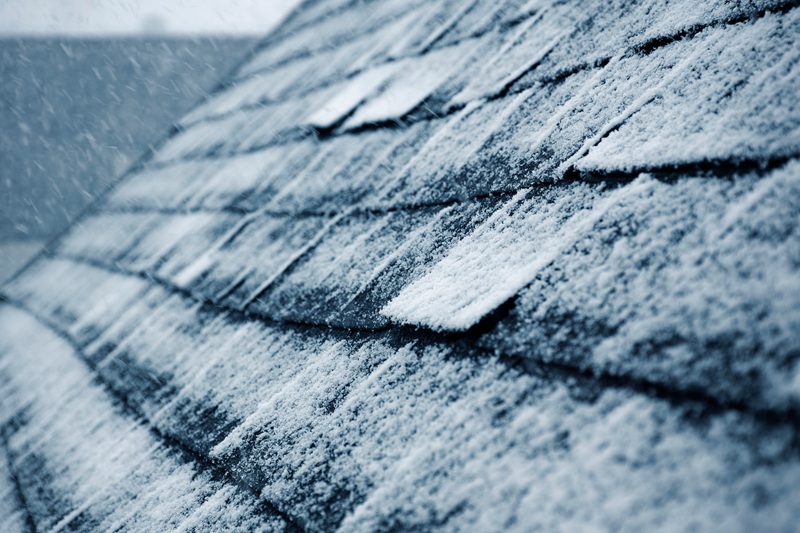
Winter in Sylvania, OH can be tough on roofing: freeze-thaw swings, snow accumulation, wind, and ice can turn a small weak spot into a leak fast. If you’re a homeowner in Sylvania or Sylvania Township, this guide covers what to watch for and how to do a quick, safe check.
This post is written to help homeowners understand when a roof repair makes sense vs. when it’s time to plan a roof replacement. Use the tips below to learn about Sylvania, OH, roof care in winter!
 If you’ve noticed ceiling staining, missing shingles, or heavy icing at the eaves, it’s worth scheduling a professional roof inspection.
Common Sylvania Roof Issues In Winter
Ice Dams Along Eaves
What happens: heat escaping into the attic melts snow on the upper roof, then that water refreezes at the colder eaves. The ice ridge can trap water and push it back under shingles.
If you want a deeper breakdown of how this process works, the U.S. Department of Energy explains it well in their guide on preventing ice dams.
What you might notice:
- thick ice at the roof edge (not just a few icicles)
- water stains on ceilings after snow melts
- dripping behind gutters or water spilling over the gutter edge during a thaw
Wind-Lifted Or Missing Shingles
Winter wind can lift shingle edges or tear off weakened tabs. Cold weather can also make shingles more brittle, so damage sometimes happens during storms or from debris impact.
Clues from the ground:
- shingles that look uneven or “flapped up.”
- exposed black underlayment
- shingle pieces in the yard after the wind
Flashing Leaks Around Chimneys And Roof Penetrations
Many winter leaks start at transitions: chimneys, plumbing stacks, bath vents, skylights, and valleys. Freeze-thaw cycles can worsen tiny gaps around metal flashing or old sealant.
Routine maintenance matters here. The National Roofing Contractors Association’s roof maintenance guidance outlines why small flashing gaps often turn into bigger problems during winter.
Classic symptom: a leak that appears during melts (even when it isn’t raining).
Gutter And Downspout Freeze-Ups
When gutters are packed with debris or ice, meltwater can’t drain properly. That backup can contribute to ice dams and moisture getting where it shouldn’t (roof edge, fascia, soffit areas).
Attic Moisture And Condensation
Warm indoor air can leak into a cold attic, where it can condense, leading to damp insulation, frost on nails, and staining on the underside of the roof deck. This can mimic a roof leak or make a real leak worse.
Proper insulation and air sealing play a major role. Energy.gov provides a helpful overview of attic insulation best practices
and how moisture issues can start from heat loss.
Quick Inspection Steps
Do A Safe Ground-Level Walkaround
Before you climb anything (especially in January), take 5 minutes outside:
- scan the roofline with binoculars or phone zoom
- look for missing, lifted, curled, or cracked shingles
- check valleys for heavy, lingering snow/ice buildup
- look at chimney and vent areas for bent, lifted, or rusty flashing
- inspect gutters for sagging sections, ice bulges, or separated joints
Check Inside For Early Leak Signals
Interior signs often show up before you see obvious exterior damage:
- yellow/brown ceiling rings
- bubbling paint or peeling drywall tape
- damp trim near exterior corners
- musty smells in closets on outside walls
Look In The Attic If It’s Safe
If you can access the attic safely:
- use a flashlight to look for dark staining on the underside of the roof deck
- check insulation for wet spots or compression
- look around chimneys/vents for water trails
- note any frosty nails or “sweating” surfaces (moisture issue)
Do A Thaw-Day Drainage Check
When temps rise above freezing:
- is water flowing through downspouts?
- is water pouring over the gutter edge instead?
- is one roof edge icing worse than another (possible heat-loss “hot spot”)?
What Not To Do In January
- don’t climb onto a snowy or icy roof
- don’t chop or hammer ice off shingles or flashing
- don’t assume a single bead of caulk fixes ice dams (the root cause is usually heat loss + attic air leaks)
When To Call Top Roofing
Call for roof repair in Sylvania, OH if you notice:
- active dripping or fresh ceiling stains
- missing shingles or exposed underlayment
- loose flashing at a chimney or vent
- repeated icing at the same roof edge each winter
FAQs
What ZIP Code Is Sylvania, OH?
Most Sylvania addresses are in 43560. If you’re in the nearby Toledo-area borders or Sylvania Township edges, you may also see surrounding Toledo ZIPs depending on the exact location.
What Are The Most Common Roof Problems In Sylvania In January?
The most common winter issues homeowners report are:
- ice dam-related leaks at the eaves
- wind damage (lifted or missing shingles)
- flashing leaks around chimneys and vents
- gutter ice backups causing water to go where it shouldn’t
Can You Repair A Roof In Freezing Weather?
Often yes, but winter repairs require extra care. Shingles can be more brittle in cold temperatures, and sealing behavior can be different. A pro can usually stabilize the problem (stop water intrusion) and recommend a permanent fix plan if weather limits the scope.
Can You Replace A Roof In Winter In Northwest Ohio?
In many cases, yes—when conditions are safe (clear roof surface, manageable wind, proper handling). A reputable crew will schedule around weather windows and follow the manufacturer’s installation requirements.
How Do I Know If I Need Roof Repair Or Roof Replacement?
Repair is often enough when:
- damage is localized (a small section, a few shingles, one flashing point)
- the roof is otherwise in solid condition
- the leak source is clear and contained
Replacement is more likely when:
- damage is widespread across multiple slopes
- you’ve had repeated leaks in different areas
- shingles are consistently cracking/curling, or shedding granules
- decking feels soft, or you see sagging areas
Do Icicles Mean My Roof Is Leaking?
Not always. Some icicles can be normal. But large, recurring icicles and thick ice at the eaves can indicate conditions that lead to ice dams, which can cause leaks.
What’s The Safest DIY Step If I’m Worried About Ice Dams?
If you can do it from the ground, gently raking a few feet of snow off the lower roof edge can reduce melt/refreeze at the eaves. Avoid climbing up or chipping ice.
What Should I Do If I Have A Leak Right Now?
- protect belongings and flooring (bucket/towels)
- take photos of staining/drips
- if safe, check the attic for the general area of the drip (don’t step on drywall)
- call Top Roofing to stop the leak before the next freeze-thaw cycle makes it worse