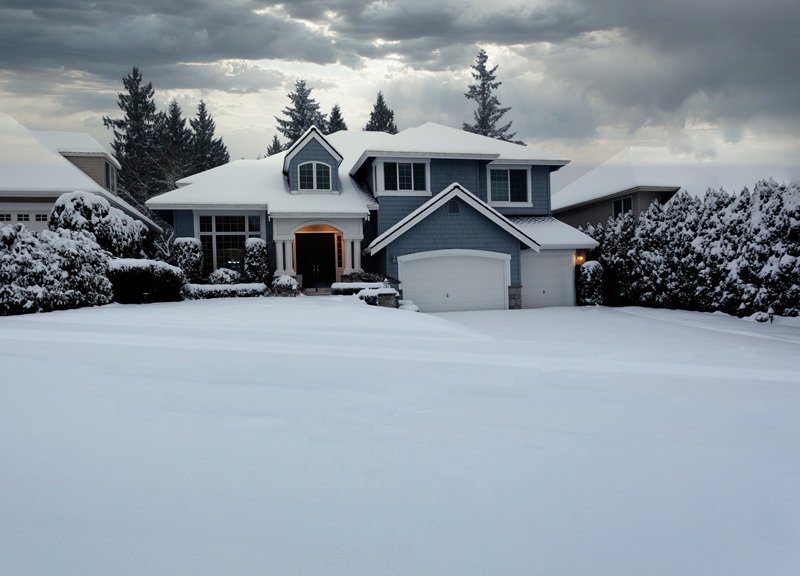
Winter in the Toledo area doesn’t just make roads slippery—it can quietly chew away at your roof. Strong winds off the lake, sudden hailstorms, and heavy lake‑effect snow all put stress on shingles, gutters, and flashing. Over time, those small issues can turn into leaks, rotten wood, and costly property damage.
If you’re searching for help with storm damage to your roof in Toledo, understanding how winter weather hurts your roof (and what to do after severe weather) is the first step to protecting your home. Many homeowners check the storm events database when big systems move through, especially when there are storm conditions that may have caused hidden damage or hazards, such as downed power lines.
Storm Damage Roof Repair in Toledo, OH
When a winter storm damages your roof, you don’t have to guess what’s going on up there. At Top Roofing LLC, we provide storm damage roof repair in Toledo and the surrounding communities. Our team can inspect your roof, document damage for your insurance company, and complete the necessary repairs to keep your home dry and protected.
👉 Learn more about our roof repair services in Toledo, OH, or call (419) 262-2177 to schedule an inspection.
Typical Winter Storm Roof Damage Patterns
Wind Damage
Winter windstorms can cause:
- Lifted or missing shingles – Gusts catch the edge of shingles and break the seal, leaving them loose, creased, or completely torn off.
- Damaged ridge caps and hips – These high points take the brunt of the wind and can crack or blow away.
- Loose flashing – Wind can tug at metal flashing around chimneys, walls, and vents, opening gaps where water can sneak in.
- Debris impact – Branches, twigs, and flying debris can scrape off granules or puncture shingles and soft roofing materials.
Even if shingles look “mostly okay” from the ground, broken seals and small cracks can let water seep under the roof system.
Hail Damage
Hail is common with strong winter and early spring storms and can be surprisingly destructive:
- Granule loss on shingles – Hail knocks off the protective granules, exposing the asphalt underneath to UV damage and faster aging.
- Bruised or cracked shingles – You may see soft “hail bruises” or circular cracks where hailstones hit. Over time, these bruises can become leaks.
- Dented metal – Hail often dents metal vents, gutters, downspouts, and flashing. These dents are also important evidence for insurance claims.
- Hidden damage – Hail damage isn’t always obvious from the ground. Shingles can be compromised long before they actually leak.
Lake‑effect Snow and Ice
Around Toledo and western Lake Erie, lake‑effect snow and temperature swings create their own set of roofing problems:
- Ice dams – Warm air in the attic melts snow on the roof. The water runs down, refreezes at the cold eaves, and forms a dam. Water then backs up under shingles and leaks into the house.
- Heavy snow load – When snow piles up, the weight can stress framing, especially on older roofs. Signs include sagging ridges or ceilings and doors that suddenly stick.
- Freeze–thaw cycles – Water that seeps into tiny cracks or under shingles can expand when it freezes, slowly prying materials apart.
- Gutter and downspout damage – Ice and packed snow can bend gutters, pull them away from the fascia, or split seams. Check out our gutter installation page for more information.
Secondary Damage Inside the Home
Once winter weather opens a path for water, the damage spreads:
- Ceiling stains or “rings” on drywall
- Peeling paint, bubbling plaster, or warped trim
- Wet insulation that loses its R‑value and encourages mold
- Musty odors and visible mold growth in the attic or along exterior walls
Catching problems early can mean the difference between a small roof repair and a full roof or interior restoration. For more guidance on preventing ice-related roof problems, check out the National Weather Service guide to preventing roof ice dams.
What to Check After Storms
You should never climb onto an icy or snow‑covered roof. Instead, do a safe, ground‑level inspection and a quick check inside your home. If you’re worried about what you’re seeing, our roof repair services in Toledo, OH, can help you figure out the next steps. After a strong windstorm, hail, or heavy lake‑effect snow, run through this checklist if you have storm damage concerns:
Outside (From the Ground)
Walk around your home and look for:
- Missing, torn, or curled shingles – Any bare spots, dark patches, or shingles hanging crookedly.
- Damaged ridge or edges – Look closely at peaks, hips, and roof edges where wind hits hardest.
- Debris on the roof – Branches or large debris can hide punctures or broken shingles.
- Granules on the ground or at downspouts – Piles of small, sand‑like grit indicate hail or advanced shingle wear.
- Gutter issues – Sagging, pulled‑away, bent, or overflowing gutters and downspouts.
- Dents on metal – Check metal vents, chimney caps, gutters, and downspouts for hail dents.
- Ice dams – Thick, chunky ridges of ice along the eaves and icicles forming behind them are a warning sign.
Inside the Attic
When it’s safe, peek into the attic with a flashlight:
- Wet or darkened wood – Stains, damp areas, or fresh water tracks on beams or roof decking.
- Damp insulation – Clumped, heavy, or discolored insulation indicates moisture.
- Sunlight through the roof – Any pinholes or streaks of light are pathways for water.
- Musty smells – A sign of lingering moisture or early mold growth.
Inside the Living Spaces
Walk through the top floor and look for:
- New brown or yellow water stains on ceilings or upper walls
- Peeling paint, bubbling drywall, or warped trim
- Floors or carpets that feel damp near exterior walls after storms
If you see anything suspicious and you’re in the Toledo, OH area, it’s a good idea to schedule a professional storm damage roof inspection—especially when you have storm activity followed by new interior signs of moisture. Top Roofing, LLC can document what they see and help you decide whether to involve insurance.
When to Call for an Emergency Tarp/Repair
Not every bit of winter roof damage is an emergency—but some situations can’t wait. An emergency tarp is a temporary cover installed by a professional roofer or restoration company to keep water out until permanent repairs are done.
You should call for emergency help right away if:
- Water is actively leaking inside
- Drips from the ceiling
- Water running down walls
- A ceiling bubble or “blister” full of water
- A section of the roof is exposed
- Multiple shingles are missing down to the black underlayment or wood
- Torn or missing ridge caps or large bare patches
- There’s impact damage
- A tree limb or large branch has hit the roof
- You see punctures, holes, or crushed areas in the roof surface
- Structural concerns are visible
- Sagging ceiling or roof ridge after heavy snow
- Cracks appearing suddenly in ceiling drywall or around door frames
- Key flashing is missing or badly damaged
- Around chimneys, skylights, or plumbing vents
- Metal pieces visibly bent, missing, or flapping in the wind
- More bad weather is on the way
- If a compromised area is likely to leak in the next storm, getting a tarp up can prevent far more expensive interior damage.
Why Acting Quickly Matters
Most insurance policies expect homeowners to mitigate further damage. That means:
- Covering exposed areas with tarps
- Moving belongings out of leaking rooms
- Wiping up standing water to prevent swelling and mold
A professional roof repair contractor in Toledo can:
- Document damage with photos and notes (helpful for your claim)
- Install emergency tarps or temporary patches
- Give you an honest assessment: repair vs. replacement
- Coordinate timing with your insurance adjuster
Storm Damage Roof Repair in Toledo, OH
Winter storms don’t just damage roofs—they disrupt your life. At Top Roofing LLC, we provide:
- Emergency tarping and leak control
- Storm, wind, and hail damage roof repair
- Help documenting damage for your insurance claim
- Honest recommendations on repair vs. replacement
If you’re in Toledo or the surrounding areas and suspect storm damage, call us at (419) 262-2177 or request a roof inspection online.
Final Thoughts
Wind, hail, and lake‑effect snow are simply part of winter life around Toledo—but significant roof damage doesn’t have to be. By:
- Knowing the typical winter storm damage patterns,
- Doing smart checks after storms, and
- Recognizing when to call for an emergency tarp or repair,
you can protect your home, your budget, and your peace of mind.
If you suspect storm damage to your Toledo roof, don’t wait for the next storm. Contact Top Roofing LLC, your local storm damage roof repair contractor in Toledo, OH, for a professional inspection and a repair plan tailored to your home!
FAQs
Q1: How do I know if my roof has storm damage after a winter storm in Toledo?
A: Look for missing or curled shingles, granules around downspouts, dents in metal gutters, interior water stains, or new leaks after wind, hail, or heavy snow. If you’re unsure, a professional inspection is the safest way to catch hidden damage.
Q2: Should I call my insurance company or a roofer first after storm damage?
A: It’s often best to call a roofer first. They can document the damage with photos, provide a repair estimate, and help you decide whether it’s worth filing a claim with your insurance company.
Q3: What counts as emergency roof damage?
A: Active leaks, exposed roof decking, large areas of missing shingles, tree impact, or sagging ceilings after heavy snow typically qualify as emergencies that need immediate tarping or repair.