Skylights are awesome—until you see water where it definitely shouldn’t be.
If you’re in the Toledo area and you’re noticing water around your skylight, you’re probably wondering:
“Is my skylight leaking… or is this just condensation?”
That difference matters. A true skylight leak can damage your roof, drywall, and insulation. Condensation, on the other hand, is more of a moisture and ventilation issue—but it can still cause staining and mold if you ignore it.
Below, we’ll walk through how to tell what’s going on, what it means in cold Toledo winters, and when it’s time to repair vs. replace your skylight.
👉 If you’re Googling ‘skylight leak Toledo’ because you’re seeing water around your skylight, you’re not alone! Check out our skylight replacement services!
Skylight leaks vs Condensation: Symptoms
How to recognize a true skylight leak
A skylight leak usually means water is getting past the roofing system—flashing, shingles, or the skylight frame—and entering your home. Typical signs:
- Drips or wet spots after rain or snow
If you only notice moisture during or right after a storm, that’s a big clue it’s a leak, not condensation.
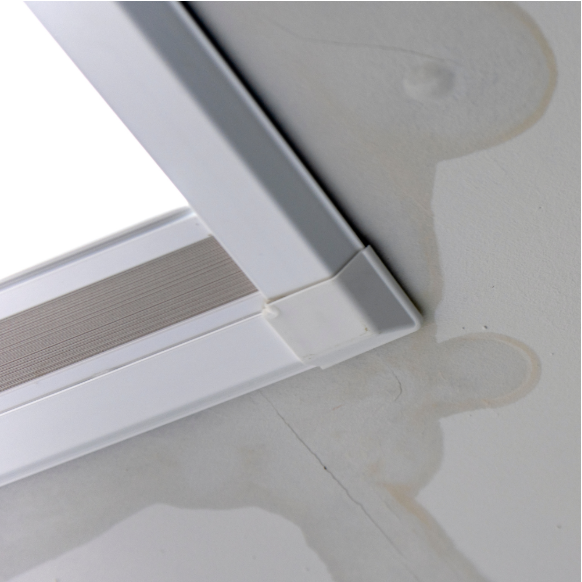
- Brown/yellow stains on the ceiling or wall
Water that’s leaked in and dried often leaves ring-shaped stains on drywall or plaster around the skylight well.
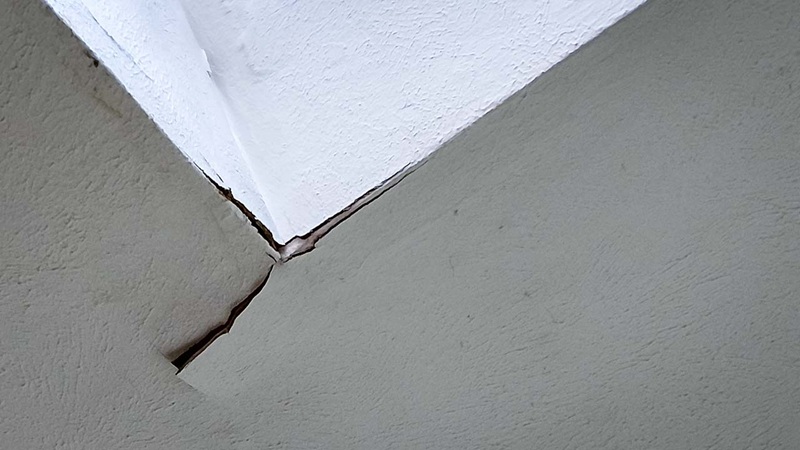
- Soft, bubbling, or peeling paint
Moisture behind the surface can cause paint to bubble, crack, or peel, especially on the drywall shaft that leads up to the skylight.
- Wet insulation or framing in the attic
If you can safely access the attic and see damp insulation, darkened wood, or moldy spots around the skylight opening, the roofing system above may be letting water in.
- Watertracks or streaks on the skylight frame
Inside the shaft, you might notice streaks or water trails along the framing or trim, especially at corners.
Biggest giveaway:
Leaks are usually tied to weather – they tend to appear or worsen after rain, heavy snow, or ice melt.
How to recognize skylight condensation
Condensation happens when warm, moist indoor air hits a cold surface—like skylight glass in winter—and the moisture in the air turns to water droplets.
Here’s what condensation usually looks like:
- Foggy or misty glass, especially in winter
The skylight might look steamed up—similar to a bathroom mirror after a hot shower. - Water droplets forming on the glass or frame
You may see beads of water or small droplets along the bottom edge of the skylight glass or frame. - Moisture that shows up even when it hasn’t rained
If it’s dry outside but cold, and you’re cooking, showering, or running a humidifier, condensation can still form. - Dampness that comes and goes with temperature changes
You might notice moisture on cold mornings that dries up as the day warms and the sun hits the skylight. - High indoor humidity elsewhere in the house
Foggy windows, musty smells, or bathroom mirrors that stay fogged for a long time all point to a humidity problem that can also affect skylights.
Key difference:
Condensation is about indoor humidity and temperature, not so much about storms or rain.
Quick self-check: skylight leak or condensation?
Ask yourself:
1. Did it rain or snow recently?
- Yes → More likely a leak, especially if the problem worsens with storms
- No → More likely condensation
2. Is the glass foggy or are there droplets on the inside of the glass?
- Yes → Likely condensation
- No, but ceiling/walls are stained → Likely a leak
3. Do other windows in the house fog up?
- Yes → You probably have a humidity issue contributing to condensation
👉 If you’re still not sure, that’s where a professional inspection from a local roofing contractor (like Top Roofing here in Toledo) can give you a clear answer.
Skylight Leaks from Flashing & Glazing in cold Toledo Winters
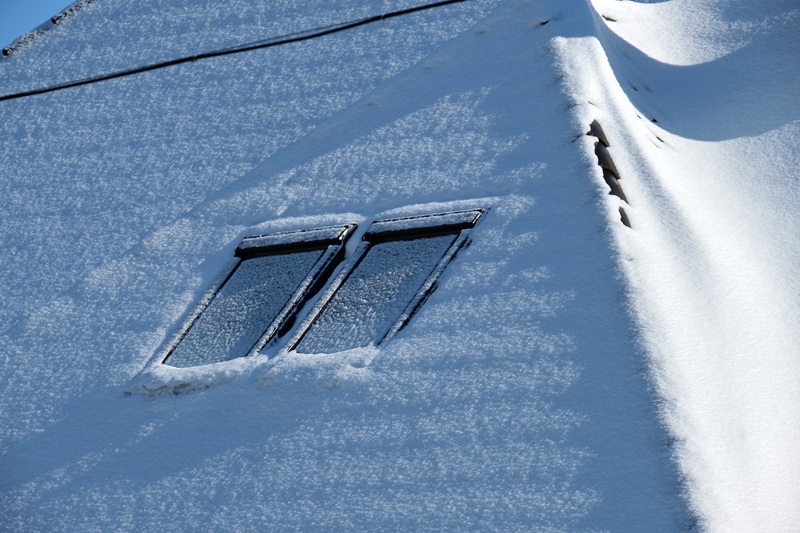
Northwest Ohio winters are tough on skylights. Homeowners in Toledo, Perrysburg, Sylvania, Maumee, and Ottawa Hills see skylight leaks spike in winter because of freeze–thaw cycles, heavy snow, and ice dams, which can push water under the flashing around the skylight.
Two big trouble spots: flashing and glazing.
Flashing problems: where the roof meets the skylight
Flashing is the metal (or sometimes plastic) material that seals the joint between your skylight and the roof. When flashing fails, water has a direct path into your home.
Common flashing issues in cold months:
- Ice dams around the skylight
Snow melts higher on the roof, runs down, and refreezes at colder spots—often around the skylight. This ice can force water back under shingles and flashing, causing leaks. - Cracked or missing sealant
Caulk or sealant that helps waterproof the flashing can dry out, crack, or separate over time, especially with temperature swings. - Improperly installed flashing kits
If the skylight wasn’t installed with the correct flashing system, or if it was installed incorrectly, it might not leak right away—but winter weather often exposes those flaws. - Shingle damage around the skylight
Brittle, cracked, or missing shingles near the skylight let water reach the flashing more easily and can lead to leaks.
In many cases, a roofing pro can re-flash the skylight or repair the surrounding roofing rather than replace the whole skylight—especially if the unit itself is still in good shape.
Glazing & seal issues: what’s happening at the glass
“Glazing” refers to the skylight glass or acrylic, plus the seals around it. Cold weather is rough on these, too.
Watch for:
- Condensation between glass panes
If you have a double-pane skylight and you see fog or moisture inside the glass unit itself, the seal has likely failed. That’s not normal room condensation—it’s a failed insulated glass unit, and usually means replacement. - Cracked or crazed acrylic domes
Older acrylic domes can become brittle, cloudy, or cracked over time. Small cracks can let water in or allow moist air into the unit. - Drafts or noticeable cold air around the skylight
If it feels colder near the skylight or you feel a draft, the weatherstripping or seals might be failing, which can increase condensation and energy loss. - UV-damaged or warped frames
Over many years, exposure to the sun and cold can warp or weaken skylight frames, creating gaps where water can sneak in.
If glazing or glass seals are failing, skylight replacement is often the smarter move, especially if the unit is older.
Reducing condensation in winter
Even if your skylight isn’t leaking, too much condensation can still damage paint, wood, and drywall. Here are some ways to keep it under control:
- Run bathroom and kitchen exhaust fans while cooking or showering
- Use a dehumidifier in problem areas or damp basements
- Make sure furniture or blinds aren’t trapping air at the skylight shaft
- Keep your home’s humidity in a reasonable range (often around 30–40% in winter, depending on how cold it is outside)
- Ensure your skylight shaft is properly insulated and air-sealed to reduce cold surfaces
If you’ve tried controlling humidity and the skylight is still constantly wet, it may be time to have a roofer take a closer look.
Skylight Repair vs. replacement: decision tree for Toledo Homes
Once you know whether you’re dealing with a leak or condensation, the next question is:
“Can this skylight be repaired, or should I replace it?”
Here’s a simple decision tree to help you think it through.
Step 1: How old is your skylight?
- Under 10 years old
- If it’s a quality brand and was installed correctly, repairs are often worth trying.
- 10–20 years old
- You’re in the gray zone. Minor issues may be worth repairing, but if you need major work—or you’re already replacing the roof—replacement is usually smarter.
- 20+ years old
- Most skylights at this age are good candidates for replacement, especially if you’re seeing leaks, drafts, or clouded glass.
Step 2: Where is the problem?
A. Roofing/flashing issue (roof is still in good shape)
- Examples: small leak at the edge, damaged shingles, or ice-dam-related staining
- Likely solution:
- Replace the skylight?
- Usually not necessary if the unit is fairly new and otherwise sound.
B. Glazing or glass failure
- Examples:
- Moisture between glass panes
- Cracked or cloudy acrylic dome
- Drafty or loose glass
- Likely solution:
- Skylight replacement or, in some cases, replacing just the sash/glass kit (depending on brand and age)
- Roof condition matters:
- If you’re planning a roof replacement soon, it’s often best to replace the skylight at the same time to avoid disturbing new shingles later.
C. Structural damage around the opening
- Examples:
- Rotting wood framing
- Moldy or crumbling skylight shaft
- Significant drywall damage
- Likely solution:
- Both skylight repair/replacement and carpentry work to fix the damaged area
- In many cases, if there’s substantial structural damage and the skylight is older, a full replacement is the most reliable fix.
Step 3: How often has this been a problem?
- First-time issue, small leak, or minor condensation
- A targeted repair or adjustment may be enough: re-flash, re-seal, improve ventilation.
- Recurring leaks, year after year
- Even if repairs help temporarily, chronic issues often point to a bigger design or installation problem.
- In those cases, replacement with a properly flashed and insulated skylight system is more cost-effective long-term.
Step 4: Think about energy efficiency & comfort
Modern skylights are much better than older ones when it comes to:
- Energy efficiency (Low-E coatings, better insulation)
- UV protection for your floors and furniture
- Reduced drafts and noise
So if your skylight is older, even if a repair is technically possible, you might benefit from upgrading to a new unit—especially if you’re already doing a roof replacement or major repairs.
FAQs
How do I tell if my skylight is leaking or just condensation?
Leaks usually leave yellow-brown stains, drips, or soft, drywall around the skylight, while condensation appears as interior fogging or water droplets on the glass during cold weather. If the moisture appears only on the inside pane and changes with humidity, it’s condensation—not a roof leak.
Is skylight condensation normal in winter?
Yes. Condensation is common in Toledo winters because warm indoor air meets the cold glass of skylights, forming moisture. Good ventilation, running bathroom fans, and keeping blinds open can significantly reduce it.
Can a leaking skylight be repaired, or does it need to be replaced?
Many leaks caused by flashing, sealant, or minor glazing issues can be repaired. However, older skylights (15+ years old) or those with failed seals usually require a full replacement to stop recurring leaks and improve energy efficiency.
When should I call a roofer for a skylight leak in Toledo?
Call a roofer as soon as you see dripping water, ceiling stains, or wet insulation, especially during snow or freeze–thaw cycles. In Toledo’s winter climate, small leaks can quickly escalate into roof deck damage, so a prompt inspection is important.
When to call a pro right away
You should reach out to a roofing professional promptly if:
- Water is actively dripping from the skylight or ceiling
- You see bulging drywall or major staining spreading quickly
- There’s visible mold around the skylight area
- You’re not comfortable with safely inspecting the roof or attic
Climbing onto a roof—especially in winter in Toledo—is dangerous. It’s always safer to let trained, insured professionals handle rooftop inspections and repairs.
If you’re dealing with a skylight leak in Toledo…
Top Roofing can:
- Inspect your skylight and roof to pinpoint the real cause
- Tell you honestly whether a repair or replacement makes the most sense
- Re-flash or repair the roofing around your skylight
- Replace old, failing skylights with modern, energy-efficient units
- Coordinate skylight work with roof repairs or full roof replacement so everything works together
If you’re seeing water, fog, stains, or drips around your skylight, don’t wait for the next big storm to make it worse.
👉 Reach out to Top Roofing today to schedule an inspection and protect your home from further damage.