Ice Dams 101 in Northwest Ohio: Causes, Prevention, and Safe Fixes

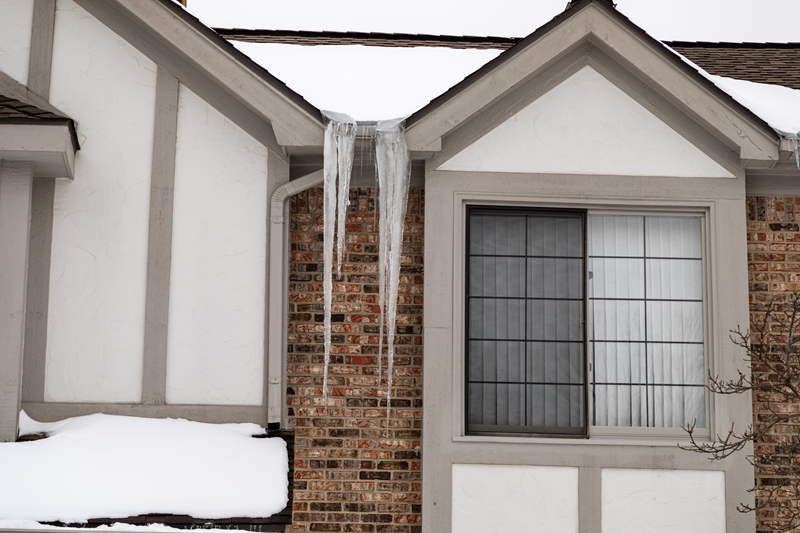
ice dams forming in winter in toledo ohio

Table of Contents

Winters around Toledo and Northwest Ohio can deliver the perfect recipe for ice dams—freeze/thaw cycles, wind off Lake Erie, and rooflines that hold snow. If you’re searching for ice dam prevention in Toledo, this guide explains how ice dams form, what causes ice dams, how to stop them before they start, and the safest fixes if you already have one. When ice dams occur, they can quickly lead to leaks, stains, and costly repairs if you don’t act.

👉 Top Roofing, LLC helps homeowners in Toledo, Perrysburg, Sylvania, Maumee, and Ottawa Hills prevent and fix ice dams with attic, ventilation, and gutter solutions!

What creates ice dams (heat loss, ventilation, gutters)

The short version of how ice dams form: Warm air leaks from your house, heats the underside of your roof, snow melts, water runs to the cold eaves, and refreezes into a ridge of ice. That ridge traps more meltwater, which can back up under shingles and leak inside. If you have active leakage, follow our first 24 hours’ steps in our Toledo Roof Leak guide.

What drives the problem:

  • Heat loss from the house
    • Gaps around recessed lights, bath fans, attic hatches, chimneys, and plumbing stacks let warm, moist air into the attic.
    • Unsealed top plates and penetrations around wires/ducts act like chimneys for heated air.
    • Result: a patchwork-warm roof that melts snow unevenly, setting the stage for ice dams to form again and again.
  • Insufficient or unbalanced ventilation
    • Without steady soffit-to-ridge airflow, roof deck temperatures rise, and moisture lingers.
    • A common red flag: lots of roof vents but blocked soffits, or vice versa. Ventilation works as a system.
  • Gutters and roof edges
    • Clogged or undersized gutters don’t cause ice dams, but they can hold ice and worsen backups at the eaves.
    • Poorly pitched gutters and short downspouts let meltwater refreeze right at the edge, contributing to ice build-up along the eaves.

Prevention (air sealing, insulation, gutter care)

Stopping ice dams is all about keeping the roof deck cold and the meltwater moving where it belongs—off the roof and away from the foundation.

Air sealing (highest impact)

  • Seal gaps around light fixtures, flues, and wiring with fire-safe materials and foam/caulk as appropriate.
  • Weatherstrip and insulate the attic hatch or pull-down stairs.
  • Make sure bath and kitchen fans vent outside, not into the attic.
  • Install baffles at the eaves so insulation doesn’t block airflow from soffits.

Why it matters: Air sealing cuts heat loss first, so insulation and ventilation can actually do their jobs preventing ice dams.

Insulation (the steady workhorse)

  • In our climate, aim for a total attic insulation level of around R‑49 to R‑60 (your home’s design may vary).
  • Even out low spots and settle areas; cold “thin” patches on the attic floor often line up with warm stripes on the roof where ice dams occur.
  • Keep insulation a safe distance from recessed lights and chimneys per code; use IC-rated covers where appropriate.

Balanced ventilation (the finishing touch)

  • Target continuous soffit intake + ridge exhaust to flush cold, dry air through the attic.
  • If a ridge vent isn’t feasible, pair properly sized box/power vents with clear, continuous soffit intake. (Power vents without intake won’t solve icing.)

Gutter care (small effort, big help)

  • Clean gutters and downspouts in late fall; confirm proper pitch and extend downspouts away from walkways and driveways.
  • Consider heavy-duty guards that shed debris but won’t trap ice.
  • Heat cables can help tricky eaves or valleys, but treat them as a band-aid—they don’t fix attic heat loss or stop ice dams from forming in the first place.

Plan ahead during roof projects

  • When it’s time to reroof, ask for:
    • Self-adhered ice & water shield along eaves and valleys (typically at least 24″ inside the warm wall line).
    • Proper drip edge and starter details.
    • Ventilation upgrades and new baffles while the deck is open.
      See how we approach this on our Roof Repair page.
explanation of ice damns in toledo ohio
Photo Courtesy of National Weather Service

What to do during an active dam (safety + pro help)

If you already have ice build at the eaves—or see leaks or ceiling stains—move fast, but stay safe.

Do (from the ground):

  • Use a roof rake with an extension handle to pull snow off the first 3–4 feet of roof above the eaves. Work in small sections to reduce load.
  • Place calcium chloride (not rock salt) in fabric “socks” and set them perpendicular to the ice ridge to create drainage channels.
  • Protect the interior: put down plastic and buckets under active drips; crack a ceiling stain only if you’re prepared to control water flow.

Don’t:

  • Don’t go on an icy roof or ladder—falls are the #1 winter home-injury risk.
  • Don’t chip or pry ice with shovels or hammers—you’ll damage shingles.
  • Don’t use rock salt (it stains siding, kills plants, and corrodes metal).
  • Don’t use open flames or hot-water pressure washers—both are dangerous and can wreck shingles.

When to call a pro (and what we do):

  • You see water inside, widespread icing, high/complex rooflines, or repeat ice dams year after year.
  • Top Roofing can steam-remove ice dams (the gentlest, shingle-safe method), locate the moisture entry points, and address the root causes—air sealing, ventilation, and insulation. We can also evaluate gutters and drainage on the spot. Learn more about tune-ups and eave details on our Gutters page.
Ice dam on roof edge in Northwest Ohio
By User:Herzi Pinki - File:Sensenwerk Franz de Paul Schröckenfux 2, Roßleithen.jpg, CC BY-SA 3.0

Ice Dam FAQs for Toledo & Northwest Ohio

What causes ice dams on my roof?

Ice dams form when warm air escapes into the attic, heats the roof deck, melts the snow, and the water refreezes at the cold eaves. That ice ridge traps meltwater, which can back up under shingles and leak inside.

How do I prevent ice dams in Northwest Ohio?

Focus on the attic: air seal gaps, insulate to R-49–R-60, and ensure balanced soffit-to-ridge ventilation. Keep gutters clean and properly pitched, and use ice & water shield at the eaves during roofing projects. Top Roofing can evaluate all of these components.

Is it safe to remove ice dams myself?

Only from the ground. Use a roof rake, but never climb on an icy roof; use ladders, chip ice, or apply open flames or hot-water pressure washers. For safe removal, call Top Roofing.

How does Top Roofing remove ice dams?

We use low-pressure steam to safely melt ice without damaging shingles. Our team also checks for moisture entry points and addresses the root causes—air sealing, ventilation, insulation, and gutter/drainage issues.

Do gutter guards help with ice dams?

They won’t stop ice dams entirely, but heavy-duty guards that shed debris help keep gutters open so meltwater can drain properly. Avoid guards that trap ice or hold moisture.

Bottom line for Toledo homeowners

To truly solve ice dams, think attic first, eaves second: stop warm air from reaching the roof deck, insulate to code-level performance, keep air moving, and maintain clean, pitched gutters. Quick fixes help in a storm, but long-term prevention protects your roof, drywall, and peace of mind.

Need help with ice dam prevention in Toledo or anywhere in Northwest Ohio?
Schedule an inspection with Top Roofing—we’ll assess your attic, ventilation, and gutters, and give you a clear, prioritized plan before the next freeze.

👉 For a full winter roof maintenance checklist for Toledo homes, see our winter roof maintenance guide!