
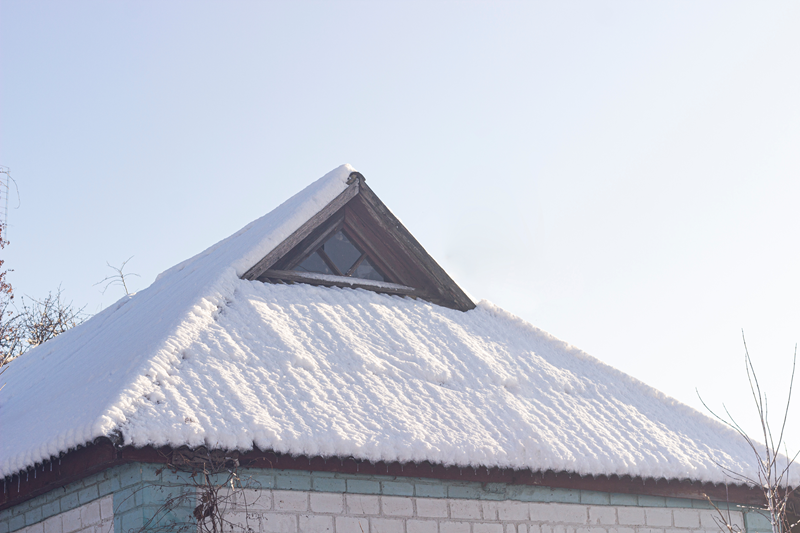
If you’ve lived through a Northwest Ohio winter, you’ve probably seen them: thick ridges of ice hanging off the eaves, icicles forming like a curtain, gutters packed solid—and sometimes water stains that show up on the ceiling weeks later. Those are ice dams, and they’re more than a cosmetic issue. Ice dams can trap water under shingles, soak the roof deck, damage insulation, stain drywall, and even contribute to mold growth.
Here’s the good news: the best fix usually isn’t on the roof—it’s in the attic. A properly balanced attic ventilation system, combined with insulation and air sealing, helps prevent hot air from entering the attic and warming the roof unevenly.
Below is a practical, homeowner-friendly breakdown of what matters most (and what to check) if you’re researching attic-ventilation solutions in Toledo to prevent ice dams—and to better understand attic ventilation overall.
If you’re seeing recurring ice dams, heavy icicles in the same spots, or any ceiling/wall staining, it’s time for a professional attic-and-roof evaluation. Top Roofing can inspect:
Tip: Fixing just one component (such as adding insulation) can backfire if the intake is blocked or air leaks continue to dump warm air into the attic—an inspection helps you prioritize the right order of fixes.
Ice dams form when the upper roof warms enough to melt snow while the lower roof edge remains cold (usually above the overhang). Meltwater runs down, strikes the cold eave, refreezes, and forms a dam. Once that dam forms, more meltwater gets trapped behind it and can push under shingles.
The goal of attic ventilation is simple:
Keep the attic/roof deck close to the outdoor temperature so the roof stays uniformly cold in winter.
Attic ventilation only works well when you have both:
Think of it like breathing:
If you have exhaust without intake, the attic can “pull” air from your home through ceiling gaps (which is precisely what you don’t want in winter). If you have intake without good exhaust, air stalls, and moisture lingers.
For most homes, continuous soffit intake + continuous ridge exhaust creates the most even airflow path along the underside of the roof deck. Consistent airflow helps reduce hot spots that can cause uneven melting.
Other vent types can work with specific roof designs, but the key is to avoid airflow “short-circuiting,” where air exits too close to its entry point, leaving dead zones elsewhere.
If you’re battling ice dams year after year, one (or more) of these is often part of the story:
Ventilation is measured in “net free area” (NFA)—the actual open area that lets air move. Building guidelines often use ratios based on attic floor space, but real-world performance depends on roof shape, insulation depth, and whether soffits are clear.
If you want the short version: more “balanced” is better than more “random.” A professional can calculate ventilation requirements and, just as importantly, identify where airflow is blocked.
Ventilation helps, but insulation and air sealing are the heavy hitters for ice dam prevention—because they target the root cause: heat escaping from the living space into the attic.
When heat leaks upward:
The fix is to keep heat where it belongs: inside your home, not under your roof.
The right attic insulation level depends on your home’s design and local requirements, but in cold-winter regions like ours, many homes target roughly R-49 or higher in the attic for strong winter performance.
Important: Adding insulation helps a lot—but it works best when paired with air sealing. Which leads to the most overlooked part…
Insulation slows heat transfer. Air sealing stops hot air movement. And warm air movement is a huge driver of ice dams.
Even a small gap can act like a chimney. Common attic air-leak locations include:
When warm, moist air enters the attic, it not only warms the roof but can also condense on cold surfaces, leading to frost, damp insulation, and mold.
If you’re improving attic performance specifically to prevent ice dams, this sequence usually delivers the best results:
A big warning here: Don’t block your soffits with insulation. You need insulation coverage and a clear channel for airflow at the eaves. That’s why baffles are so important.

If you want to reduce the risk of ice dams this season, do a quick pre-winter attic and exterior check. If you’re comfortable doing basic checks safely, here’s a practical list.
In many homes, insulation is pushed into the eaves over time, reducing intake air. Signs include:
Fix: Install or replace baffles and pull insulation back so intake air can flow.
A ridge vent can exhaust only what it pulls in from the soffits. Make sure:
This is a big one. Bathroom fans dumping warm, wet air into the attic can create:
Make sure bath fans and kitchen ducts vent to the exterior with the proper roof/wall cap (and a damper).
If you have a pull-down ladder, it’s often one of the most significant heat-leak points in the whole house. Before winter:
You don’t need to climb the roof to spot early warning signs:
These patterns often indicate uneven insulation coverage or localized air leaks.
If you already have an ice dam:
And if you see water stains or active dripping, it’s time to call a roofer—because you may already have moisture getting under the roofing.
If you’re searching for attic ventilation in Toledo because ice dams are recurring—or you’ve already had leaks—an inspection can identify whether the problem is ventilation imbalance, air leakage, insulation gaps, or roof vulnerabilities.
Top Roofing can help you:
Ice dams are often a “systems problem”—roof + attic + airflow. The sooner you address it, the less risk you face of hidden moisture damage that may appear later.
The best setup is continuous soffit intake + a continuous ridge-vent exhaust, with a clear airflow path (baffles) from the eaves to the ridge. This helps keep the roof deck temperature more uniform, reducing the melt-refreeze cycle that creates ice dams. Also, make sure attic air sealing + proper insulation are handled—ventilation alone won’t fix heat loss from the house.
Common signs include:
A quick check: look at the eaves from inside the attic—if insulation is stuffed into the corners and you don’t see baffles/air chutes, your intake is likely restricted.
For Toledo’s climate (Zone 5), a recommended target for attic floors is around R-49 to R-60 (especially when improving an older home), depending on your existing insulation and the attic’s construction. ENERGY STAR’s guidance for colder zones supports higher attic R-values as cost-effective.
They can help when paired with soffit intake. Ridge vents are exhaust vents, so they work best only if there’s sufficient intake air from the soffits and the air path is unobstructed (baffles installed and no insulation blockages at the eaves). If the attic is under-insulated or has major air leaks, ridge vents alone won’t stop ice dams—but they’re often part of the right system.
Not reliably. Ice dams are mainly caused by heat loss + roof temperature differences (and then refreezing at the cold eaves). Gutter guards don’t fix that, and ice can still build on top of them. The real fix is usually air sealing, insulation, and balanced ventilation (plus safe removal if a dam already formed).